

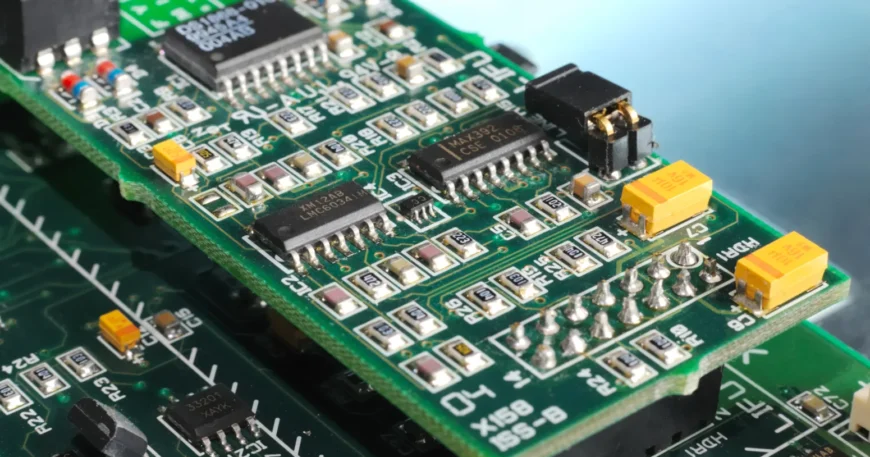
Printed Circuit Boards (PCBs) are the backbone of modern electronic devices, connecting and enabling the functionality of everything from smartphones to computers to industrial machinery. As PCBs become more complex and densely packed with components, ensuring their cleanliness is paramount for optimal performance and reliability. Traditional cleaning methods often fall short, especially when dealing with intricate PCBs. In this blog, we will explore a cutting-edge cleaning technique: using ultrasonic tube resonators to clean PCBs. We’ll delve into the principles, benefits, and steps involved in cleaning PCBs with this advanced technology.
Understanding PCB Contamination
Before we dive into the specifics of ultrasonic tube resonators, it’s essential to understand the types of contamination PCBs can accumulate during manufacturing, assembly, and usage. Common contaminants include:
Flux Residues: Leftover flux from soldering processes can create conductive paths or lead to short circuits if not properly removed.
Dust and Particles: Dust and microscopic particles can settle on PCBs, affecting electrical connections and causing reliability issues.
Grease and Oils: Fingerprints, lubricants, or manufacturing residues can create a layer on PCBs, reducing their efficiency.
Ionic Residues: Leftover ionic residues can lead to electrochemical migration, which can compromise the integrity of the PCB.
Oxidation: Over time, PCBs can develop oxide layers that hinder electrical connections.
The Role of ultrasonic tube resonators
ultrasonic tube resonators have emerged as an efficient and highly effective technology for cleaning PCBs. These resonators utilize ultrasonic waves in a unique and controlled manner to dislodge and remove contaminants from the PCB surface. Let’s explore how they work and why they are superior for this purpose:
Ultrasonic Waves: Ultrasonic waves are sound waves at frequencies higher than the upper limit of human hearing. ultrasonic tube resonators generate these waves and introduce them into a cleaning solution.
Cavitation Effect: The high-frequency ultrasonic waves create a phenomenon called cavitation, in which countless tiny bubbles form and collapse rapidly in the cleaning solution. This cavitation effect produces microscopic shock waves that dislodge and carry away contaminants.
Precision Control: ultrasonic tube resonators allow for precise control over the frequency, power, and duration of ultrasonic waves, making them adaptable to various PCB cleaning requirements.
Non-contact Cleaning: Unlike traditional cleaning methods that may involve brushes or other physical contact, ultrasonic tube resonators provide a non-contact cleaning solution, reducing the risk of PCB damage.
Benefits of Ultrasonic Tube Resonator Cleaning
Using ultrasonic tube resonators for PCB cleaning offers several compelling advantages:
Efficiency: The cavitation effect enables efficient cleaning of complex PCBs with tight spaces and intricate components, ensuring thorough removal of contaminants.
Gentle Cleaning: Ultrasonic cleaning is gentle on delicate components, preventing damage that may occur with more aggressive cleaning methods.
Environmentally Friendly: Ultrasonic cleaning typically uses eco-friendly cleaning solutions, reducing the environmental impact of the cleaning process.
Consistency: Ultrasonic cleaning provides consistent results, minimizing the risk of defects or malfunctions due to inconsistent cleaning.
Versatility: ultrasonic tube resonators can be adapted to clean various types and sizes of PCBs, making them a versatile solution for electronics manufacturing.
Steps to Clean PCBs with ultrasonic tube resonators
Now that we understand the principles and benefits of using ultrasonic tube resonators for PCB cleaning, let’s outline the steps involved in the process:
Step 1: Preparation
Gather the necessary equipment, including the ultrasonic tube resonator, a suitable cleaning solution, and safety gear. Ensure that the PCBs to be cleaned are free from any loose debris or particles.
Step 2: Immersion
Immerse the PCBs in the cleaning solution within the ultrasonic cleaning tank. Make sure the PCBs are fully submerged, and avoid overcrowding the tank to ensure effective cleaning.
Step 3: Ultrasonic Cleaning
Power up the ultrasonic tube resonator and set the desired frequency and power level based on the type and level of contamination on the PCBs. Allow the ultrasonic waves to create the cavitation effect, cleaning the PCBs thoroughly.
Step 4: Rinse
After the ultrasonic cleaning cycle is complete, rinse the PCBs with clean, deionized water to remove any residual cleaning solution.
Step 5: Drying
Allow the PCBs to air dry or use compressed air to accelerate the drying process. Ensure that the PCBs are completely dry before further processing or assembly.
Step 6: Inspection
Thoroughly inspect the cleaned PCBs to ensure all contaminants have been removed. Use a microscope or magnifying glass for a detailed examination.
Step 7: Post-Cleaning Handling
Handle the cleaned PCBs with care, using anti-static precautions if necessary, to prevent recontamination. Store or assemble the PCBs as required.
Conclusion
Cleaning printed circuit boards (PCBs) with ultrasonic tube resonators is a highly effective and efficient method to ensure the reliability and performance of electronic devices. With the ability to remove a wide range of contaminants without damaging delicate components, ultrasonic cleaning has become an essential part of modern electronics manufacturing and maintenance. As technology continues to advance, so too will the methods used to keep our PCBs clean and functioning at their best. ultrasonic tube resonators are a prime example of how innovation is helping us maintain the quality of electronics in the 21st century.
Ralsonics has been in business with ultrasonic technology for over 50 years. Ralsonics provides a full array of ultrasonic resonators, cleaners, and sonicators. With the company’s ability to design and build its own equipment, the products can be customized to meet specific requirements. Why the delay? Contact Us today!
If you enjoyed reading this blog and would like to read more of our blogs, here are our top recommendations:

