
Why pH Matters in Industrial Cleaning
In industrial cleaning, one size does not fit all. The effectiveness of a cleaning process depends not just on the equipment or technique used, but significantly on the chemistry behind it specifically, the pH of the cleaning agent. Whether you are removing oils from precision machined parts, sterilizing medical instruments, or preparing aerospace components for coating, the right pH balance can mean the difference between a pristine finish and costly surface damage.
Understanding how pH affects cleaning performance is crucial for maintaining surface integrity, ensuring compatibility with materials, and meeting stringent industry standards.
What is pH, and How Does it Affect Cleaning?
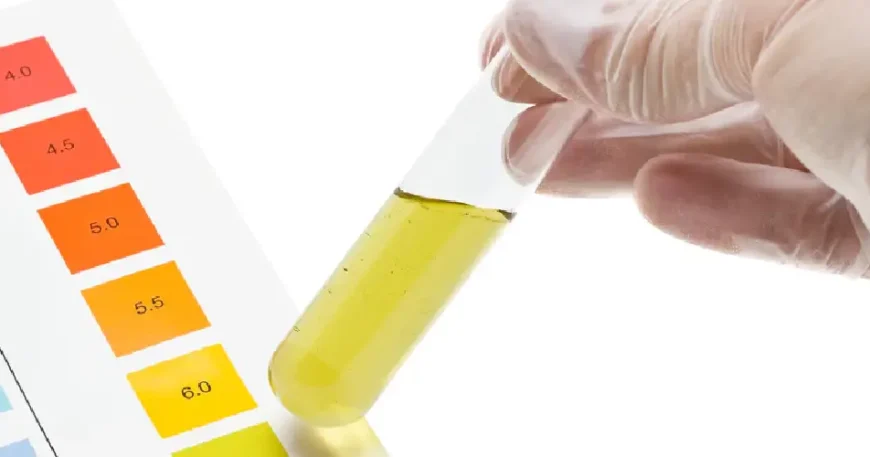
pH is a scale used to measure the acidity or alkalinity of a solution, ranging from 0 (highly acidic) to 14 (highly alkaline), with 7 being neutral. Different contaminants and materials respond differently to acidic, neutral, or alkaline cleaners:
- Acidic Cleaners (pH 0-6): Effective at removing scale, rust, and inorganic mineral deposits. Commonly used in metal cleaning, descaling, and passivation processes.
- Neutral Cleaners (pH 7): Generally mild and safe on most surfaces, ideal for light-duty cleaning or materials sensitive to harsh chemicals.
- Alkaline Cleaners (pH 8-14): Excellent at breaking down oils, grease, organic materials, and proteins. Common in heavy-duty degreasing, food industry sanitation, and industrial machinery maintenance.
Matching pH to Surface Types and Contaminants
Selecting the right pH-based cleaner depends on a combination of surface material and the type of contamination:
1. Metal Surfaces
- Ferrous metals (e.g., steel, iron): Use mildly alkaline cleaners for oil and grease; acidic solutions for rust removal and descaling.
- Non-ferrous metals (e.g., aluminum, brass, copper): Sensitive to strong alkalinity; use neutral to mildly acidic solutions to avoid etching.
2. Plastics and Polymers
- Typically require neutral pH cleaners to prevent surface deformation or chemical reaction. Some engineering plastics can tolerate mild alkaline solutions.
3. Glass and Ceramics
- Can withstand a wider pH range, but strong alkalis may cause dulling. Use neutral or mildly acidic solutions for residue and scale removal.
4. Precision Components and Electronics
- Require neutral, residue-free cleaning agents to prevent corrosion or conductivity issues. Specialized formulations often include surfactants for microscopic contaminant removal.
Role of pH in Specific Cleaning Applications
- Descaling: Acidic solutions (e.g., citric, phosphoric acid) dissolve mineral scale and rust.
- Degreasing: Alkaline solutions emulsify oils and fats, ideal for industrial equipment and automotive parts.
- Sanitization: Slightly alkaline or neutral pH agents often used with biocides to ensure safety in food and healthcare settings.
- Surface Prep for Coating or Bonding: Cleaners are selected to leave no residue and adjust surface energy, often slightly alkaline for removing organic films.
Compatibility and Safety Considerations
Using the wrong pH can damage surfaces, degrade materials, or pose safety risks. Always consider:
- Material compatibility: Avoid corrosion or surface degradation by matching pH with substrate type.
- Worker safety: Highly acidic or alkaline solutions require protective gear and proper ventilation.
- Environmental impact: Biodegradable and neutral-pH options are preferred in eco-sensitive industries.
Emerging Trends in pH-Optimized Cleaning Solutions
- Smart chemistry formulations that adapt pH based on surface residue.
- Eco-friendly acidic and alkaline agents with low VOCs.
- Automated pH monitoring in precision cleaning systems for real-time adjustments.
Conclusion
The science of pH in cleaning goes beyond chemistry—it’s a strategic tool for maximizing cleaning effectiveness while protecting sensitive surfaces. By understanding the role of pH, industries can choose the right cleaning agents that align with their material requirements, safety regulations, and environmental goals.
For guidance on selecting the ideal pH-balanced cleaning solution for your specific application, consult our experts today.

