

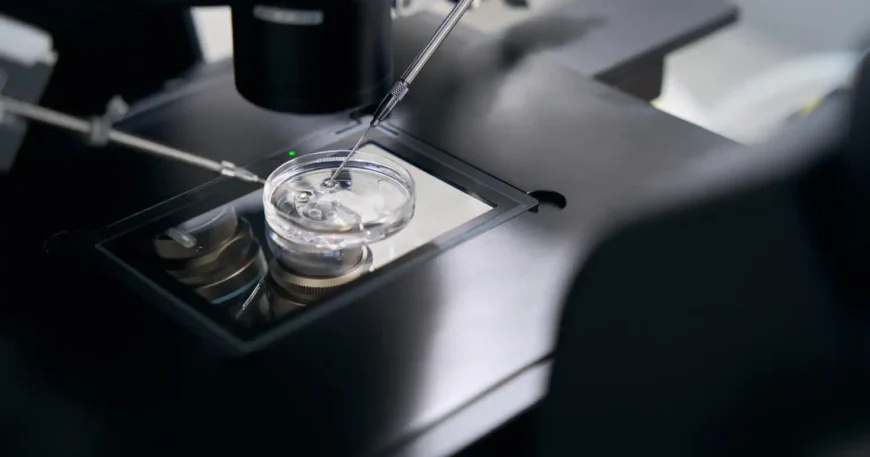
Biotechnology is a rapidly evolving field with diverse applications, from pharmaceuticals and vaccine development to biofuel production and gene therapy. In the pursuit of innovative solutions, biotechnology relies on precision, control, and consistency. A vital aspect of this control is moisture management. The presence of moisture can significantly impact the quality and effectiveness of biotechnological processes and products. Vacuum drying, a technology that carefully removes moisture and other volatile substances, has become a cornerstone in biotechnology research and production. In this comprehensive blog, we will explore the profound importance of Vacuum drying in the field of biotechnology, its working principles, applications, benefits, and future prospects.
Introduction
Biotechnology has revolutionized the way we approach healthcare, energy production, agriculture, and more. It involves harnessing biological systems and processes to develop products and technologies that improve our lives. In biotechnology, precision and control are paramount. Even minor deviations can compromise research outcomes, production processes, and product quality. One such critical factor in biotechnology is moisture. The presence of excess moisture can disrupt experiments, damage sensitive biological materials, and compromise the stability and effectiveness of biotechnological products.
The Impact of Moisture in Biotechnology
Moisture plays a multifaceted role in biotechnology. While water is essential for life and many biological reactions, its presence in excess can be detrimental. Moisture can:
Compromise the stability of biomolecules: Excess moisture can cause proteins and nucleic acids to denature or aggregate, rendering them ineffective.
Lead to microbial growth: Microbes thrive in moist environments, posing contamination risks to biotechnological processes.
Affect product shelf life: Moisture content can significantly influence the shelf life and stability of biotechnological products like vaccines and pharmaceuticals.
Disrupt processes: Excess moisture can interfere with biochemical reactions, fermentation, and bioprocessing.
The Role of Vacuum drying
To mitigate the impact of moisture, biotechnology has turned to Vacuum drying. This technology provides a precise and controlled method for removing moisture and other volatile substances from biological materials and products. Vacuum drying ensures that biotechnological processes
are reliable, reproducible, and consistent. Moreover, it plays a crucial role in the development and production of a wide range of biotechnological products, from enzymes and vaccines to tissue-engineered constructs and biopharmaceuticals.
In this blog, we will explore the profound importance of Vacuum drying in biotechnology. We will delve into its working principles, applications, benefits, and considerations for implementation while also addressing challenges and the future of this technology in the biotechnology field.
Moisture Management in Biotechnology
Before discussing the role of Vacuum drying, it’s essential to understand the significance of moisture management in biotechnology.
Sources and Consequences of Excess Moisture
Moisture can infiltrate biotechnological processes from various sources.
Ambient humidity: Laboratory and production environments with fluctuating humidity levels can introduce moisture into the air, leading to condensation on surfaces and materials.
Cell culture media: A key component in bioprocessing, these media may contain water, and their moisture content can impact cell growth and product yield.
Biological materials: Biomolecules, cells, tissues, and biotechnological products may contain varying amounts of water, which can influence their stability and performance.
Microbial contamination: Microbes, including bacteria and fungi, require moisture to thrive. Contamination can occur if moisture levels are not controlled.
The consequences of excess moisture are far-reaching. It can lead to inaccurate research results, yield loss in bioprocessing, product instability, contamination, and ultimately, financial setbacks. In the context of pharmaceuticals, vaccines, and regenerative medicine, moisture-related issues can impact product safety and efficacy.
Understanding Vacuum drying
Vacuum drying is a moisture removal process that leverages reduced pressure to lower the boiling point of water and other volatile substances. The key steps in Vacuum drying include:
Evacuation: A vacuum is created within a drying chamber, lowering the ambient pressure. This reduced pressure lowers the boiling point of water and other volatile components.
Heating: The temperature within the chamber is raised, promoting the evaporation of moisture.
Condensation and Removal: As moisture evaporates, it becomes vapor, which is then removed from the chamber. The vapor is often condensed into a liquid form and collected for disposal.
Final Drying: This step ensures that all remaining moisture is effectively removed from materials or components.
A typical Vacuum drying system comprises several critical components:
Drying Chamber: This enclosure houses materials or components to be dried and is designed to withstand vacuum conditions while maintaining temperature control.
Vacuum Pump: The vacuum pump creates and sustains the desired level of vacuum within the chamber.
Heating System: An element provides controlled heating to elevate the chamber’s temperature.
Pressure and Temperature Control System: This system monitors and maintains pressure and temperature conditions within the chamber, ensuring that the drying process remains controlled and efficient.
Monitoring and Control Interface: Operators use this interface to set parameters, monitor the drying process, and receive alerts or alarms if any conditions deviate from the specified range.
Vacuum drying systems are highly versatile and can be customized to meet the specific needs of biotechnology research and production processes.
Benefits of Vacuum drying in Biotechnology
Vacuum drying offers a range of significant benefits for biotechnology research and production.
Improved Product Stability
In the biotechnology field, the stability of biomolecules is paramount. Moisture can induce denaturation, aggregation, and degradation of proteins, nucleic acids, and other sensitive materials. Vacuum drying ensures that these materials remain dry and stable throughout the research and production processes.
Enhanced Bioactivity
Biological activity in biomolecules is closely tied to their conformation and structure. Excess moisture can disrupt these attributes. Vacuum drying preserves the structure and conformation of biomolecules, ensuring their bioactivity is maintained.
Consistency in Production
For bioprocessing and biotechnological product development, consistency is critical. Vacuum drying contributes to product consistency by ensuring that moisture content is uniform across batches. This reduces variability and enhances product quality and yield.
Pharmaceutical and Vaccine Development
The pharmaceutical and vaccine development processes heavily rely on maintaining product integrity and efficacy. Vacuum drying is instrumental in ensuring that these products are moisture-free, stable, and retain their bioactivity.
Applications of Vacuum drying in Biotechnology
The applications of Vacuum drying in biotechnology span a wide range of research and production processes.
DNA and protein synthesis
In molecular biology research, the synthesis of DNA and proteins is a common practice. Vacuum drying plays a role in drying and concentrating synthesized nucleic acids and proteins, facilitating downstream applications like sequencing and structural analysis.
Bioprocessing and Fermentation
Bioprocessing, which involves the production of bio-based products through fermentation, often relies on Vacuum drying for biomass preservation, product isolation, and downstream processing.
Freeze-Drying Alternative
Freeze-drying, or lyophilization, is a common method for drying sensitive biological materials. Vacuum drying can serve as an alternative or complementary technique, especially for applications where freeze-drying is not feasible or efficient.
Tissue engineering and regenerative medicine
In regenerative medicine and tissue engineering, maintaining the integrity of tissue scaffolds, cells, and biopharmaceuticals is critical. Vacuum drying ensures that these materials are dry and free from moisture, preserving their functionality and stability.
Implementing Vacuum drying in Biotechnology
Effective implementation of Vacuum drying in biotechnology involves considering several factors to ensure its success.
Selecting the Right Equipment
Selecting the appropriate Vacuum drying equipment involves evaluating the size and nature of materials to be dried, the required processing capacity, and the level of control and automation needed. Manufacturers and researchers must invest in equipment that aligns with their specific requirements and applications.
Process parameters and control
Achieving optimal results in Vacuum drying depends on controlling critical parameters, including pressure, temperature, and drying time. Precise control over these factors is essential to ensuring that the process effectively removes moisture while preventing thermal damage to sensitive materials.
Quality assurance and regulatory compliance
To ensure the reliability of Vacuum drying in biotechnology, it’s essential to establish quality control protocols. This includes regular validation and testing of the equipment to ensure it is performing as expected and maintaining the desired moisture levels in materials and components. Compliance with regulatory standards is also crucial, especially in pharmaceutical and biopharmaceutical production.
Overcoming Challenges in Vacuum drying
While Vacuum drying is an effective solution for moisture control in biotechnology, it is not without its challenges. Some common challenges include:
Risk of Heat Damage
The application of heat during Vacuum drying can pose a risk of thermal damage to sensitive biological materials. To mitigate this risk, it’s essential to carefully control temperature and drying time, ensuring that moisture is removed without harming the materials.
Contamination Control
In biotechnology, the risk of contamination is a constant concern. Vacuum drying should be integrated with effective contamination control measures to ensure that the final products are free from both moisture and contaminants.
Energy Efficiency
Energy consumption is a consideration for Vacuum drying processes. Biotechnology facilities must weigh the energy costs against the benefits of moisture removal to ensure the most efficient and cost-effective use of this technology.
The Future of Vacuum drying in Biotechnology
The future of Vacuum drying in biotechnology holds significant promise. Advancements in Vacuum drying technology are continuously being made, resulting in more efficient, cost-effective, and precise systems. Additionally, the integration of Vacuum drying with Industry 4.0 and artificial intelligence (AI) is on the horizon. This will allow for real-time monitoring, data analytics, and enhanced control of Vacuum drying processes, further enhancing product quality and research efficiency.
Biotechnology is a field of innovation and discovery where precision and control are essential. The presence of moisture can significantly impact research outcomes, production processes, and product quality. Vacuum drying has emerged as a crucial technology in biotechnology, ensuring the reliability and integrity of research and products. By removing excess moisture, Vacuum drying enhances biomolecule stability, preserves bioactivity, and contributes to product consistency in bioprocessing, pharmaceutical development, and regenerative medicine. With continuous advancements in Vacuum drying technology and its integration with Industry 4.0 and AI, the future of this technology in biotechnology holds significant promise. In an industry where precision and quality are paramount, Vacuum drying is an indispensable tool.
Ralsonics has been in business with ultrasonic technology for over 49 years. Ralsonics provides a full array of vacuum dryers, vapor degreasers, ultrasonic resonators, ultrasonic cleaners, and ultrasonic sonicators. With the company’s ability to design and build its own equipment, the products can be customized to meet specific requirements. Why the delay? Contact Us today!
If you enjoyed reading this blog and would like to read more of our blogs, here are our top recommendations:

