Reverse Osmosis (RO) Plant

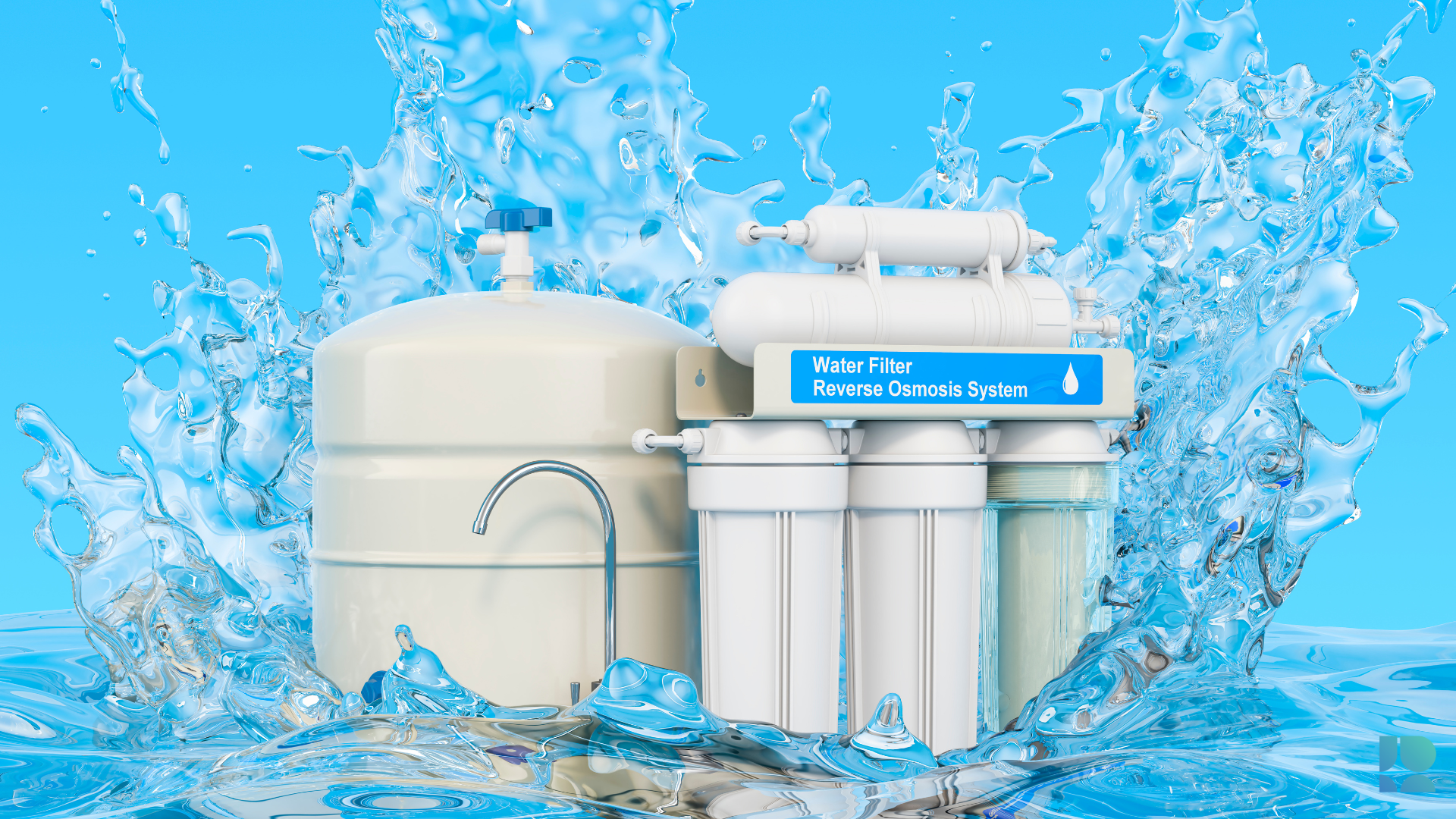
A Reverse Osmosis (RO) Plant is one of the most effective and widely used water treatment systems for producing pure, safe, and high-quality water. Using semi-permeable membranes, RO plants remove dissolved salts, heavy metals, chemicals, microorganisms, and impurities from raw water.

Ralsonics RO Water Treatment Plants are engineered with cutting-edge technology, robust design, and energy-efficient operation, making them ideal for industrial, commercial, and institutional applications where consistent water quality is critical.
How Reverse Osmosis Works
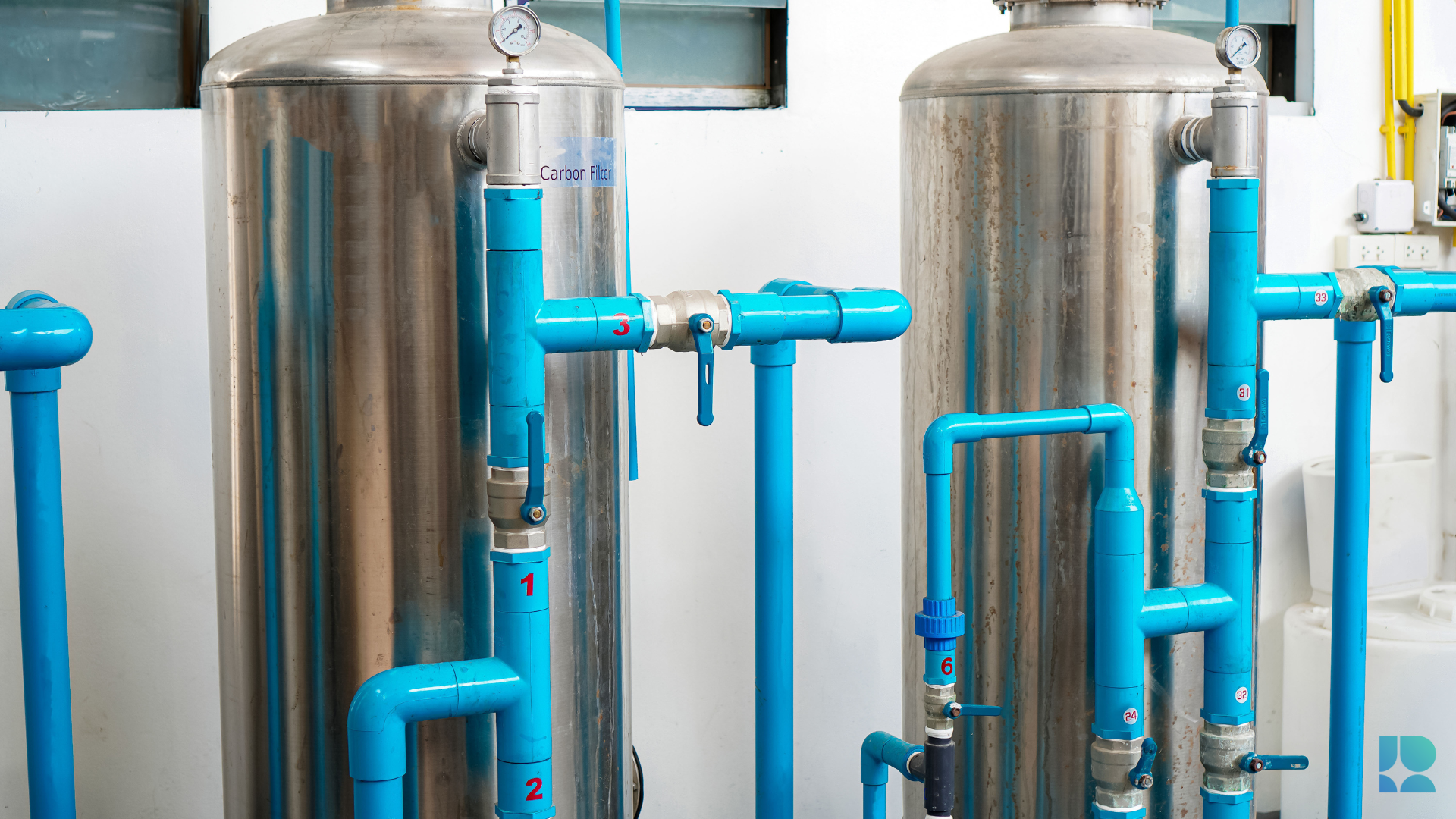
  1. Pre-Treatment – Raw water passes through sand filters, activated carbon filters, and cartridge filters to remove suspended solids, chlorine, and organic matter.
  2. High-Pressure Pumping – Water is pressurized to pass through RO membranes.
  3. Membrane Filtration – Semi-permeable membranes allow only pure water molecules to pass, rejecting salts, heavy metals, bacteria, and other impurities.
  4. Post-Treatment – Treated water undergoes pH adjustment, UV disinfection, or mineral addition (if required).
  5. Pure Water Output – Clean, safe, and reliable water for process, consumption, or reuse.
Key Features of Ralsonics RO Plants
  • High-Efficiency Membranes – Removes up to 99% of dissolved salts and impurities.
  • Modular Design – Scalable from small commercial units to large industrial plants.
  • Energy-Efficient Operation – Optimized high-pressure pumps and recovery systems.
  • Automatic Controls – PLC/SCADA-based systems for easy monitoring and operation.
  • Durable Construction – Skid-mounted stainless steel/mild steel frames for long service life.
  • Pre- & Post-Treatment Integration – Custom-designed for raw water quality.
  • Low Maintenance – Long-lasting membranes with easy replacement and cleaning.
  • Environmentally Friendly – Reduced chemical usage and optimized water recovery.
Advantage
  1. Superior Water Purity – Removes dissolved solids, bacteria, and harmful contaminants.
  2. Consistent Water Quality – Reliable output regardless of variations in raw water.
  3. Cost-Effective – Low operational cost compared to bottled water or chemical treatments.
  4. Scalable Solutions – Available for small businesses, hospitals, institutions, and industries.
  5. Safe & Eco-Friendly – Reduces reliance on chemical treatment processes.
  6. Compliance Ready – Meets international water quality standards (WHO, BIS, FDA).
Industry Applications
  • Pharmaceuticals – Water for formulations, cleaning, and utilities.
  • Food & Beverage Industry – Process water, beverage preparation, and ingredient water.
  • Hospitals & Healthcare – Dialysis water and sterilization purposes.
  • Electronics & Semiconductor – High-purity water for sensitive manufacturing.
  • Textiles & Dyeing Units – Removal of hardness and salts from process water.
  • Power Plants – Boiler feedwater and cooling systems.
  • Commercial & Institutional – Schools, hotels, and offices for safe drinking water.
  • Residential Complexes – Centralized pure water supply.

Technical Specifications

Parameter

Specification

Flow Rate

250 LPH – 100,000+ LPH

TDS Removal Efficiency

Up to 99%

Membrane Type

Polyamide thin-film composite (TFC)

Operating Pressure

10 – 20 bar (depending on feed water)

Material of Construction

SS 304 / SS 316L / MS with epoxy coating

Control System

Manual / Semi-Automatic / PLC-SCADA

Recovery Rate

40% – 70% (customizable)

Power Supply

230V / 415V, 50/60 Hz

Optional Features

UV disinfection, ozone treatment, and remineralization

FAQ

What impurities can an RO plant remove?

RO plants remove dissolved salts, heavy metals (lead, arsenic, mercury), bacteria, viruses, pesticides, and organic contaminants.

 
What is the recovery rate of an RO plant?

Recovery ranges between 40% and 70%, depending on feed water TDS and system design.


Is post-treatment required after RO?

Yes, depending on the application. Options include UV sterilization, ozone treatment, or remineralization for drinking purposes.

 
How much maintenance does an RO plant require?

Minimal. Routine pre-filter replacement, membrane cleaning (CIP), and pump checks keep the plant running efficiently.

 
Can RO plants handle brackish or seawater?

Yes. With appropriate high-pressure membranes and pumps, RO systems can desalinate brackish and seawater effectively.


Let’s Connect


Cart