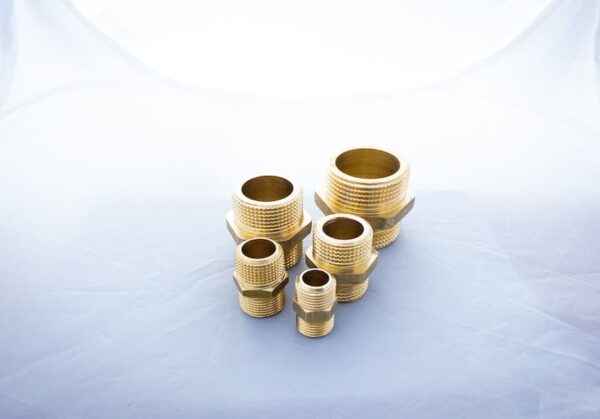
Surface Treatment Plants
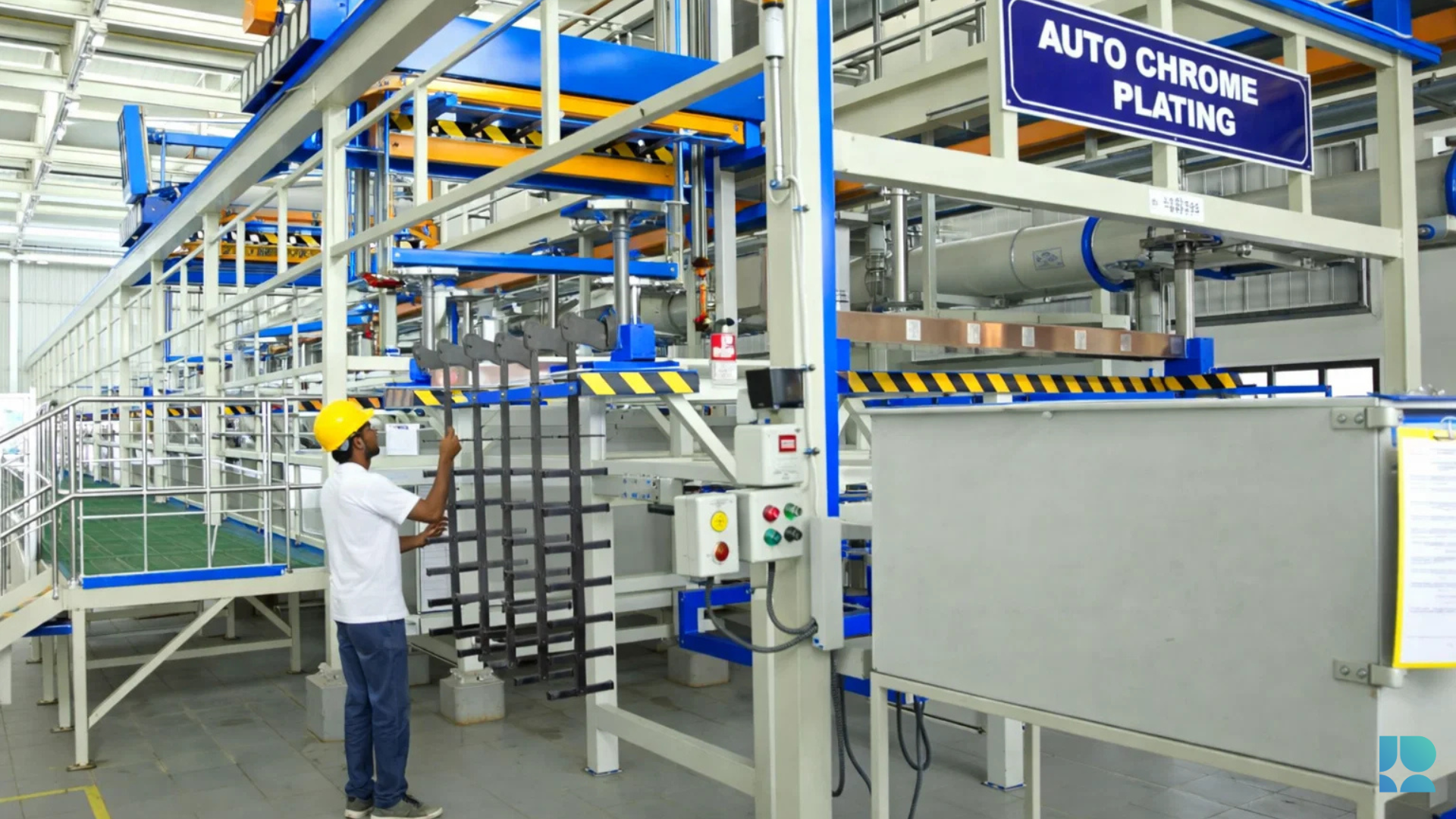
A Surface Treatment Plant is a comprehensive system engineered to prepare, clean, modify, and protect component surfaces as a prerequisite for coating, painting, electroplating, or assembly. These plants are essential in modern manufacturing environments where surface integrity directly influences product performance, durability, and quality standards.
Surface treatment improves corrosion resistance, enhances adhesion of subsequent coatings, eliminates contaminants, and ensures consistent surface quality across production batches, all of which are critical to competitive industrial operations.
What Is a Surface Treatment Plant?
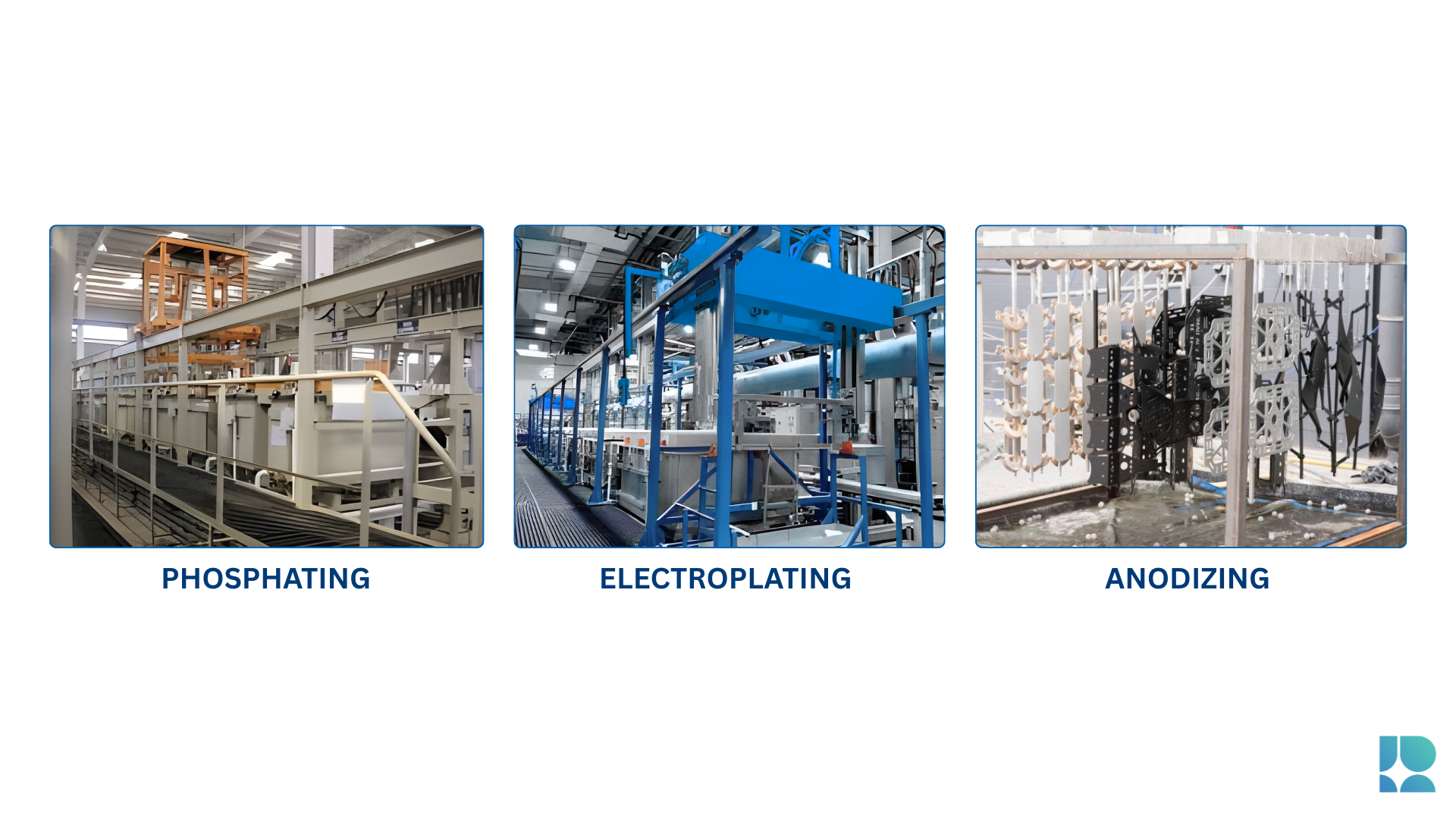
A surface treatment plant combines multiple stages such as cleaning, rinsing, pickling, passivation, and drying in a controlled workflow. These stages remove oils, oxides, rust, contaminants, and residues from parts before they undergo finishing processes like electroplating, anodizing, painting, or chemical conversion coating.
Key stages often included are:
- Pre-cleaning and Degreasing — removes oils, lubricants, and machining residues.
- Rinsing and Surface Activation — eliminates chemical remnants and prepares the metal surface for treatment.
- Pickling / Descaling — removes oxide scales and surface buildup.
- Conversion or Passivation — enhances corrosion resistance and improves coating adhesion.
- Drying / Final Preparation — ensures moisture-free components ready for coating or assembly.
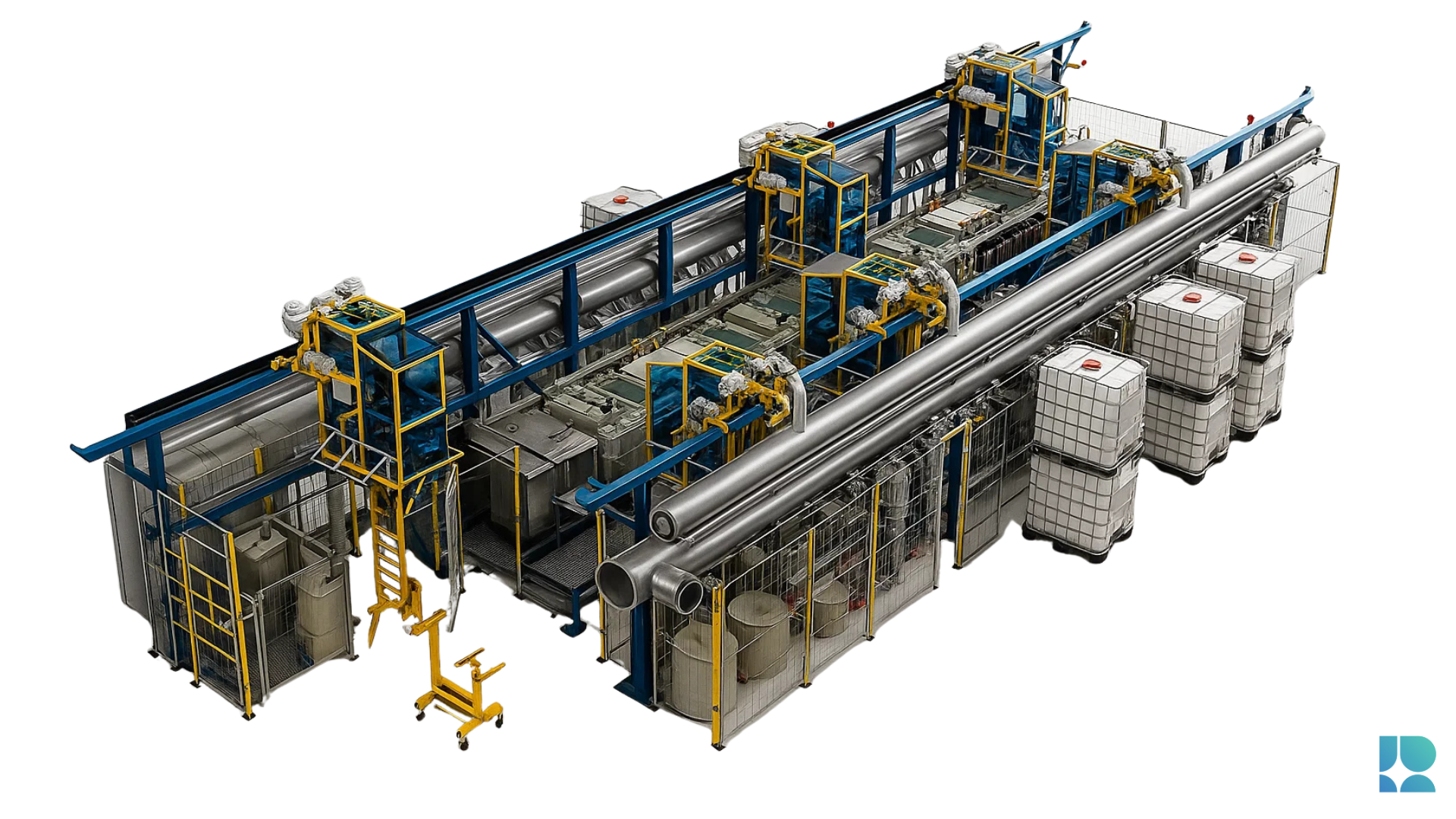
A properly engineered surface treatment plant delivers measurable advantages:
- Superior Surface Quality: Removes microscopic contamination that can compromise coatings or seals.
- Enhanced Performance: Treated parts exhibit improved corrosion resistance and longevity.
- Consistent Results: Automated stages and PLC control provide reproducible process parameters.
- Reduced Rework and Waste: Eliminates defects caused by surface residues or inadequate preparation.
- Optimized Space and Workflow: Compact designs and modular staging streamline production line integration.
With decades of experience in industrial cleaning and surface preparation technologies, Ralsonics offers:
- Proven expertise in customized plant engineering.
- High reliability and low maintenance systems.
- Sustainable designs aligned with global compliance standards.
- End-to-end project delivery and dedicated support.
- Automotive & auto components
- Aerospace & defense
- Medical devices
- Electronics & precision engineering
- Heavy fabrication & manufacturing
- Energy & industrial equipment
Plating Plants Designed for Industrial Performance
Fully Customized Designs
Advanced PLC Control
Compact Footprint
Rack & Barrel Compatibility
Automation-Ready Layouts
Zero Liquid Discharge (ZLD)
IoT-Enabled Process Monitoring
Eco & Safety Compliant
Auto Loading of Parts
Low Carbon Footprint
Greenfield Surface Treatment Plant
Cascade Rinsing
Built to Serve Demanding Industries
Industry | Example Applications |
|---|---|
Automotive | Fasteners, brackets, fuel systems |
Aerospace | Landing gear, actuators |
Electronics | PCB contacts, connectors |
Medical Devices | Surgical tools, implants |
Consumer Goods | Luxury hardware, fashion elements |
Energy / Marine | Transformers, turbines, ship components |
FAQ
A Surface Treatment Plant is an industrial system designed to clean, prepare, and chemically treat metal or engineered components before coating, painting, plating, or assembly. It removes oils, oxides, rust, and contaminants to improve adhesion, corrosion resistance, and product durability.
Surface treatment ensures proper adhesion of coatings and prevents premature corrosion or coating failure. Without proper surface preparation, contaminants can cause peeling, blistering, or reduced product life.
Surface treatment plants can process materials such as:
- Mild steel
- Stainless steel
- Aluminum
- Brass & copper
- Cast iron
- Engineered alloys
Process selection depends on material compatibility and required finish.
Manual plants require operator intervention at each stage, while automatic systems use PLC-controlled automation for consistent, repeatable processing with reduced human error and higher productivity.