1. Ultrasonic Dispersion of Cement Particles
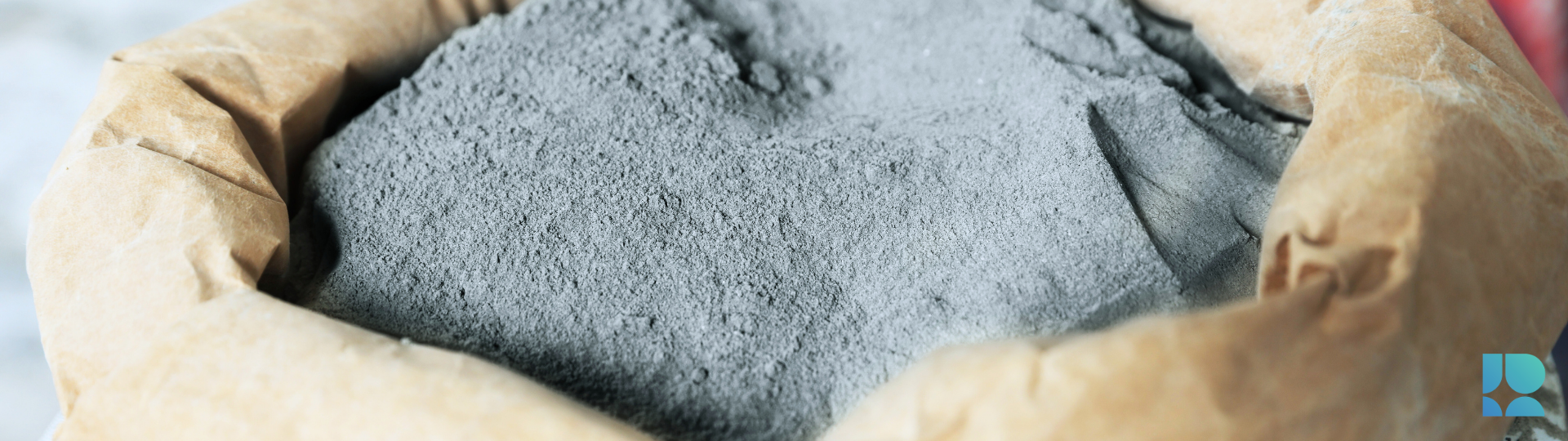
Cement particles tend to agglomerate, resulting in uneven hydration and reduced strength. Ultrasonic cavitation breaks down clusters and disperses particles uniformly.
Applications
- Enhancing fineness of cement slurries
- Improving surface area for better hydration
- Reducing particle clumping in R&D formulations
2. Ultrasonic Mixing for Cement Slurries & Mortars
Traditional mixing often leaves micro-lumps that impact quality. Ultrasonic mixing ensures homogeneity even in high-viscosity cement mixes.
Applications
- Homogenization of cement paste
- Preparing consistent mortar samples
- Eliminating air pockets and micro-bubbles
3. Additive & Admixture Activation
Modern cement relies heavily on chemical admixtures such as superplasticizers, pozzolans, silica fumes, fly ash, and nanoparticles. Ultrasonics enhances their performance and dispersion.
Applications
- Nano-silica activation
- Effective mixing of superplasticizers
- Dispersing fly ash or slag without settling
- Improving water reduction efficiency
4. Ultrasonic Acceleration of Cement Hydration
Cavitation increases reaction kinetics, speeding up setting time and early strength development.
Benefits
- Faster hydration
- Strength improvement at 24 hours
- Useful for rapid-setting and repair cement formulations
5. Ultrasonic Processing for High-Performance Concrete (HPC)
High-performance concrete (HPC, SCC, UHPC) requires an extremely uniform microstructure. Ultrasonics helps achieve superior dispersion of ultra-fine materials.
Applications
- Ultra-High Performance Concrete (UHPC)
- Self-Compacting Concrete (SCC)
- High-strength, low-porosity concrete systems
6. Nano-Material Integration in Cement
Ultrasonics is ideal for dispersing:
- Nano-silica
- Nano-alumina
- CNTs (Carbon Nanotubes)
- Graphene oxide
These nanoparticles dramatically enhance mechanical and durability properties.
7. Ultrasonic Degassing and Defoaming
Entrapped air reduces density and increases porosity. Ultrasonic waves release trapped micro-bubbles quickly and efficiently.
Applications
- Cement slurries
- Polymer-modified cement
- High-durability construction materials
8. Ultrasonic Processing in Cement R&D & Quality Control
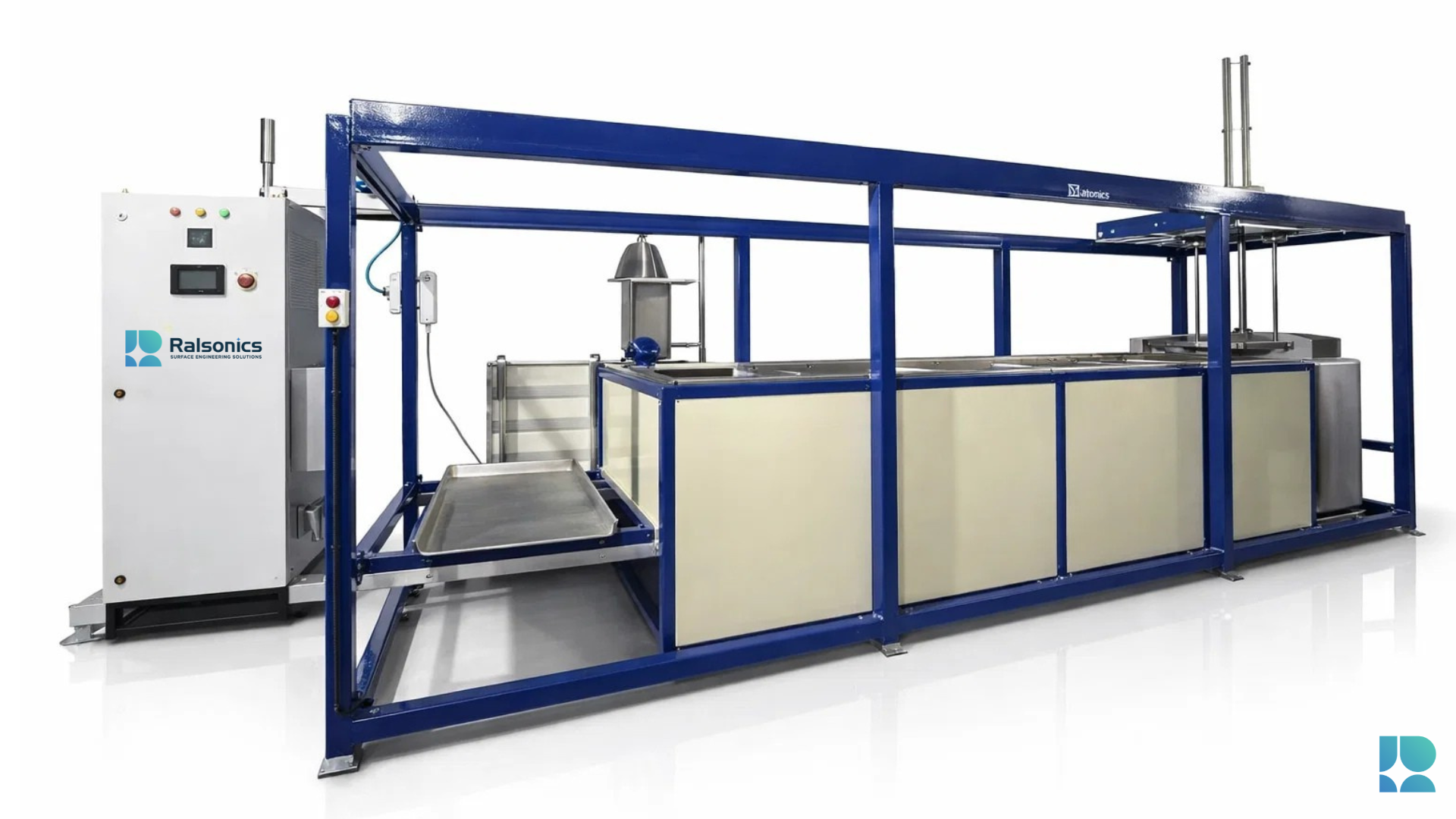
R&D labs widely use ultrasonic processors for:
- Studying hydration properties
- Preparing sample slurries
- Material stability testing
- Improving repeatability in experiments



 Ralsonics