

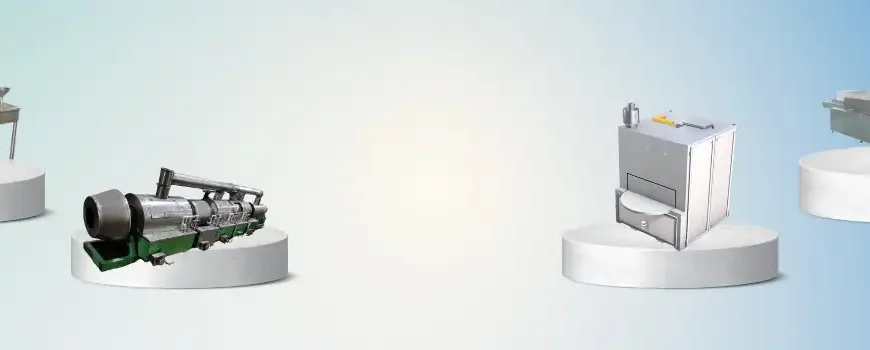
What is an Automatic Parts Washer?
An automatic parts washer is a specialized industrial cleaning system designed to remove contaminants such as oils, grease, metal shavings, and other residues from components used in manufacturing and assembly processes. These machines utilize various cleaning techniques, including ultrasonic waves, high-pressure sprays, and solvent-based degreasing, to ensure thorough decontamination. They are widely employed in industries requiring high precision and quality assurance, such as automotive, aerospace, medical device manufacturing, and heavy machinery production.
The Critical Role of Industrial Parts Cleaning
In high-precision industries, component cleanliness is not just a quality requirement but an operational necessity. Residual contaminants such as oils, grease, fine particles, and oxidation can lead to inefficiencies, product failures, and costly rework. Sectors like automotive, aerospace, medical device manufacturing, and heavy machinery demand reliable cleaning systems to maintain stringent industry standards.
Key Technologies in Automatic Parts Washing
Industrial parts washers employ diverse cleaning mechanisms tailored to specific applications. These technologies enhance process reliability, reduce human intervention, and ensure high throughput. Below are the most effective solutions currently utilized across industries:
1. Multistage Ultrasonic Cleaning Systems
For intricate components with complex geometries, ultrasonic cleaning has become an industry standard. These systems utilize cavitation bubbles generated by high-frequency sound waves to remove contaminants from hard-to-reach areas. Multistage ultrasonic systems integrate pre-wash, ultrasonic cleaning, rinsing, and drying within a single automated setup, ensuring thorough decontamination while maintaining efficiency.
2. Single-Chamber Multiprocess Cleaning Systems
These compact systems are designed to perform multiple cleaning steps—including washing, rinsing, and drying—within a single chamber. They can be configured for aqueous or solvent-based cleaning, making them versatile solutions for industries requiring solvent degreasing or eco-friendly aqueous cleaning. Their ability to integrate vacuum drying further enhances effectiveness in high-precision applications.
3. Conveyorized High-Pressure Washers
In high-volume production lines, continuous cleaning is a necessity. Conveyorized systems automate the cleaning process, ensuring consistent quality without interrupting workflow. These washers use high-pressure nozzles to remove contaminants from surfaces and internal cavities, making them ideal for components such as automotive parts, castings, and machined components.
4. Rotary Indexing and Drum-Type Cleaning Machines
For batch processing of small parts, rotary indexing and drum-type machines provide efficient cleaning through controlled agitation, spray impingement, and immersion techniques. These systems are particularly useful in fast-paced manufacturing environments where uniform cleaning of multiple small components is required.
5. Vapor Degreasers for Precision Cleaning
When solvent-based cleaning is required, vapor degreasing offers an effective, residue-free solution. These systems use the vapor phase of solvents to dissolve and lift contaminants, ensuring a superior cleaning outcome. This method is widely used in aerospace, electronics, and medical device manufacturing, where even minute contaminants can compromise performance.
6. High-Pressure Cabinet Washers
For large and heavy components, high-pressure cabinet washers provide a controlled environment for effective cleaning. These systems utilize pressurized water or solvent-based solutions to remove grease, oil, and stubborn contaminants from industrial machinery parts.
Industry Applications of Advanced Parts Washing Solutions
The adoption of automatic cleaning equipment spans multiple industries, each with unique requirements:
- Automotive Manufacturing: Cleaning of engine blocks, transmission components, and braking system parts to prevent performance degradation.
- Aerospace and Defense: Ensuring the cleanliness of turbine blades, landing gear components, and hydraulic systems to meet stringent safety regulations.
- Medical Device Production: Precision cleaning of surgical instruments, implants, and pharmaceutical manufacturing equipment to comply with sterility standards.
- Electronics Manufacturing: Removal of flux residues and particulate contaminants from PCBs and semiconductor components to enhance functionality and longevity.
- General Industrial Manufacturing: Cleaning machined parts, castings, and fabricated components to ensure product quality and compliance with industrial specifications.
Choosing the Right Cleaning System
Selecting an appropriate parts washing solution depends on multiple factors:
- Type of Contaminant: Oils, particulate matter, oxidation layers, or machining residues require different cleaning methods.
- Component Material and Geometry: Delicate materials may need non-abrasive methods like ultrasonic cleaning, while robust metal parts can withstand high-pressure washing.
- Throughput and Automation Needs: High-volume production lines benefit from conveyorized systems, whereas batch processing may be better suited for rotary or chamber-based equipment.
- Environmental and Regulatory Compliance: Many industries are shifting towards eco-friendly aqueous-based cleaning systems to reduce solvent emissions and comply with sustainability goals.
Reach out to our experts today to discover the most efficient and industry-specific automatic parts washer tailored to your operational needs. (contact us button)
The Future of Industrial Parts Cleaning
The evolution of industrial parts washers is driven by efficiency, automation, and sustainability. Emerging trends include:
- Automated Robotic Cleaning: Integration of robotics for precision cleaning in complex manufacturing setups.
- Eco-Friendly Solvents and Aqueous Solutions: Reducing environmental impact while maintaining cleaning efficacy.
- IoT-Enabled Monitoring and Process Optimization: Smart cleaning systems utilizing real-time data analytics for enhanced performance and predictive maintenance.
Conclusion
Automated parts washing solutions are indispensable in modern industrial applications, ensuring consistent quality, improving operational efficiency, and reducing costs associated with manual cleaning. By leveraging advanced cleaning technologies tailored to specific industry needs, manufacturers can enhance their production processes while meeting stringent regulatory and quality standards.
For industries prioritizing precision, reliability, and efficiency, investing in the right cleaning technology is not just a necessity—it’s a strategic advantage!
For more information on our products and how they can benefit your operations, please visit our website: www.ralsonics.com

