

AEROSPACE

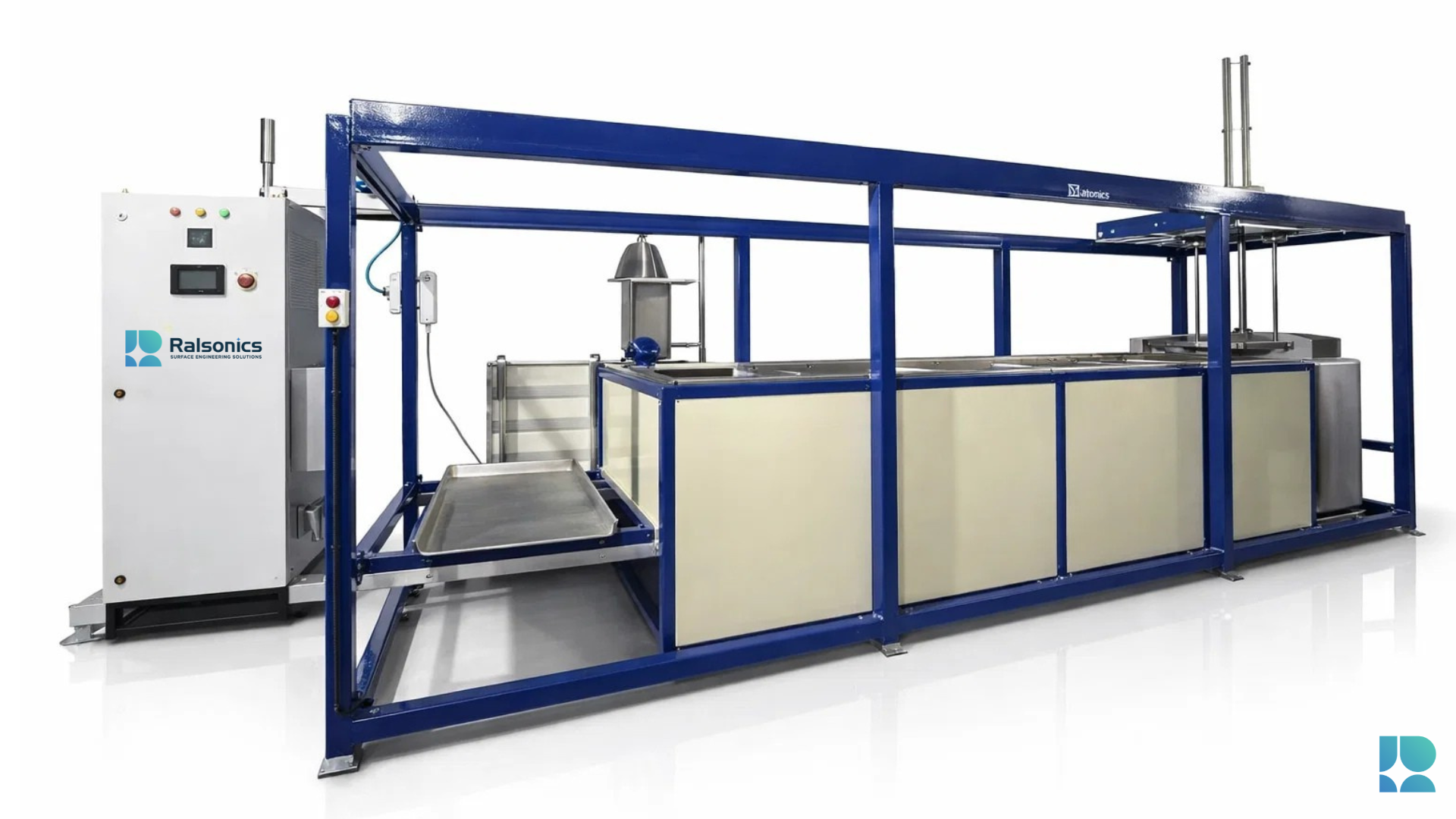
Ralsonics is a leading provider of advanced ultrasonic cleaning systems engineered specifically for the demanding requirements of the aerospace industry. 

With decades of expertise in high-performance precision cleaning, Ralsonics delivers reliable, efficient, and repeatable cleaning solutions for aircraft components, MRO facilities, aerospace manufacturers, and defence applications. 

Our ultrasonic systems ensure contamination-free parts, improved operational safety, reduced maintenance downtime, and compliance with stringent aviation standards.

Aerospace industry

The aerospace industry demands the highest level of cleanliness and precision. Components operate under extreme temperatures, pressures, and dynamic forces. Any microscopic contamination, oil films, carbon deposits, machining burrs, hydraulic residues, or particulate matter, can compromise performance and safety.

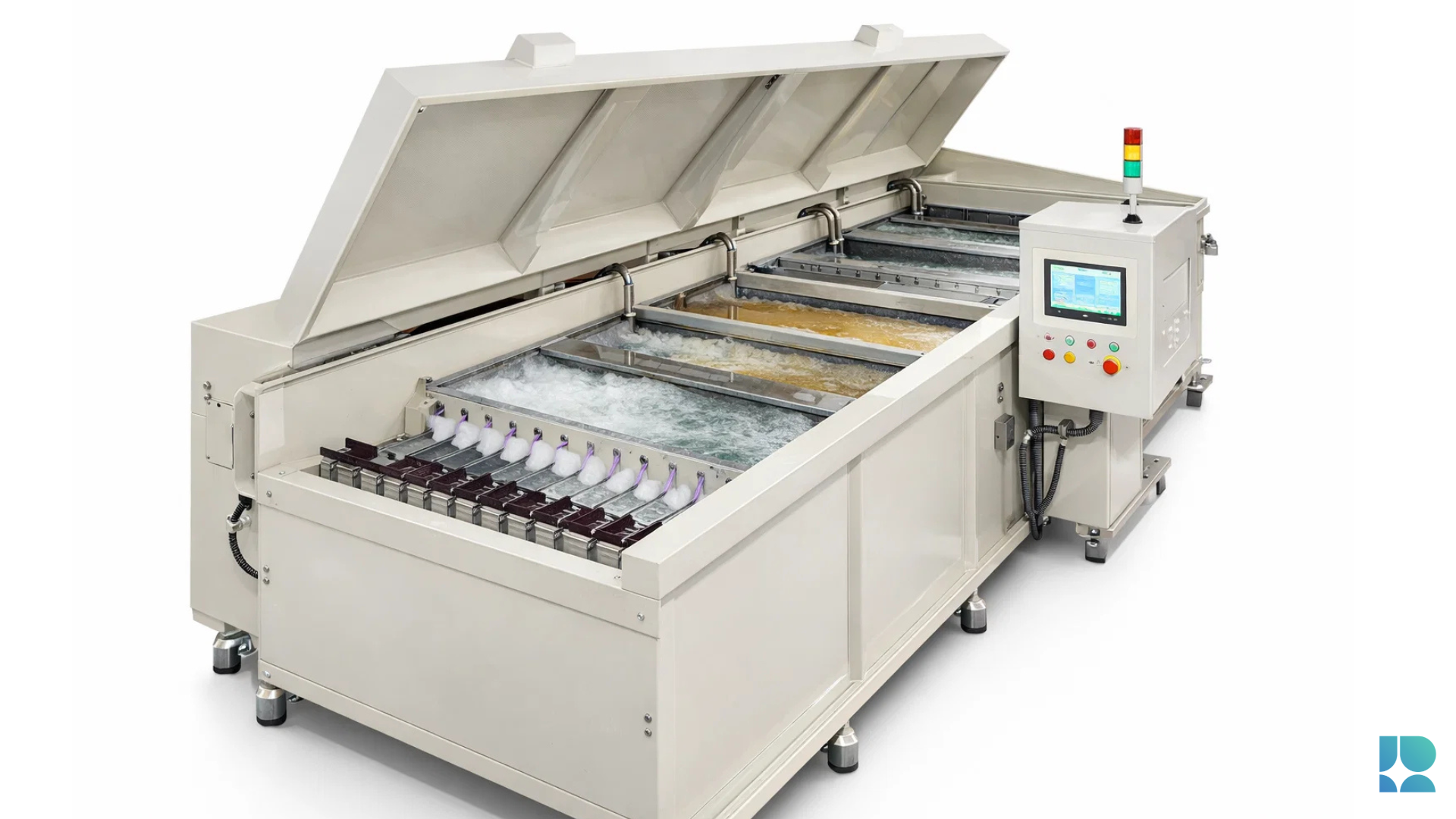
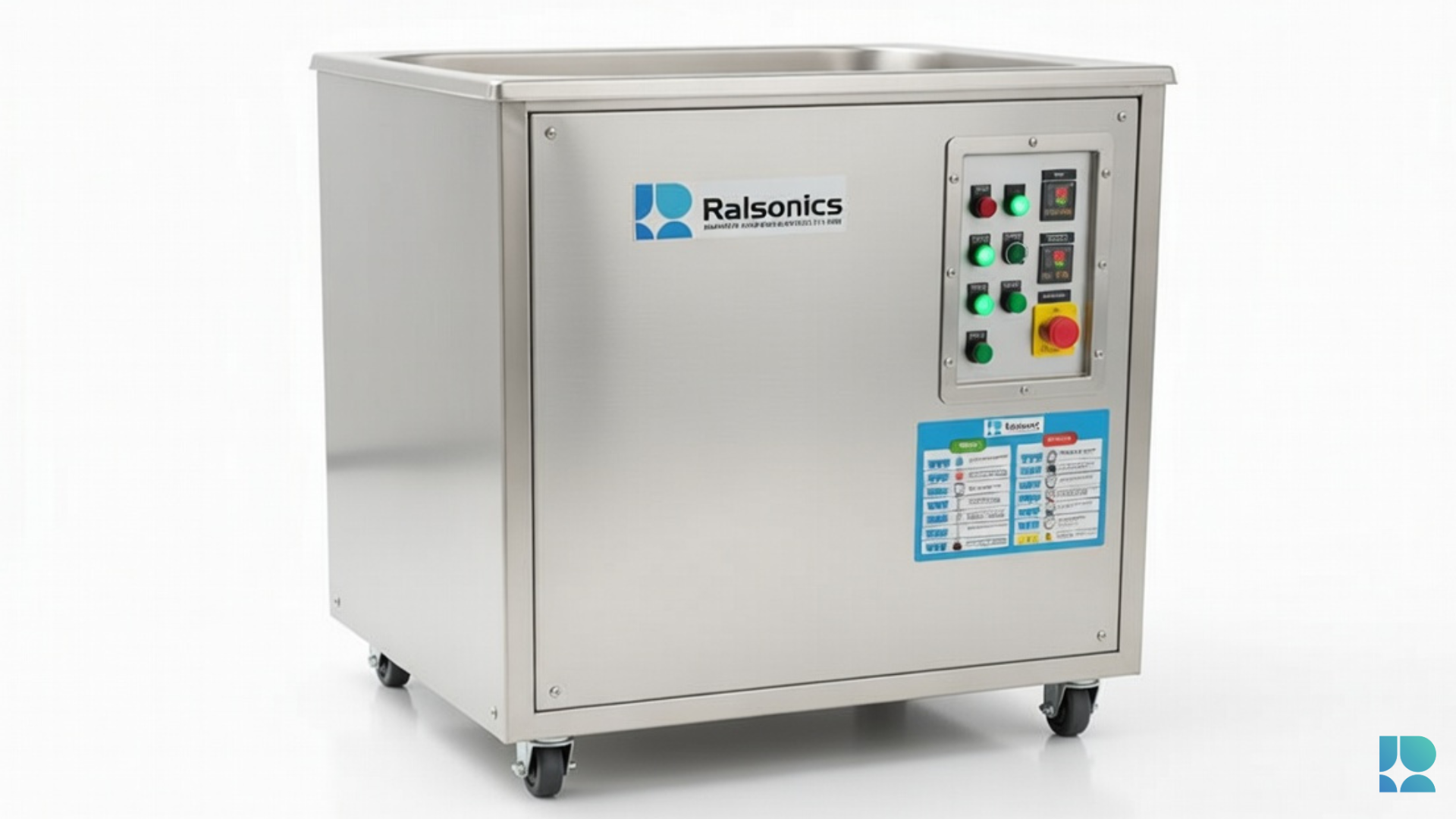
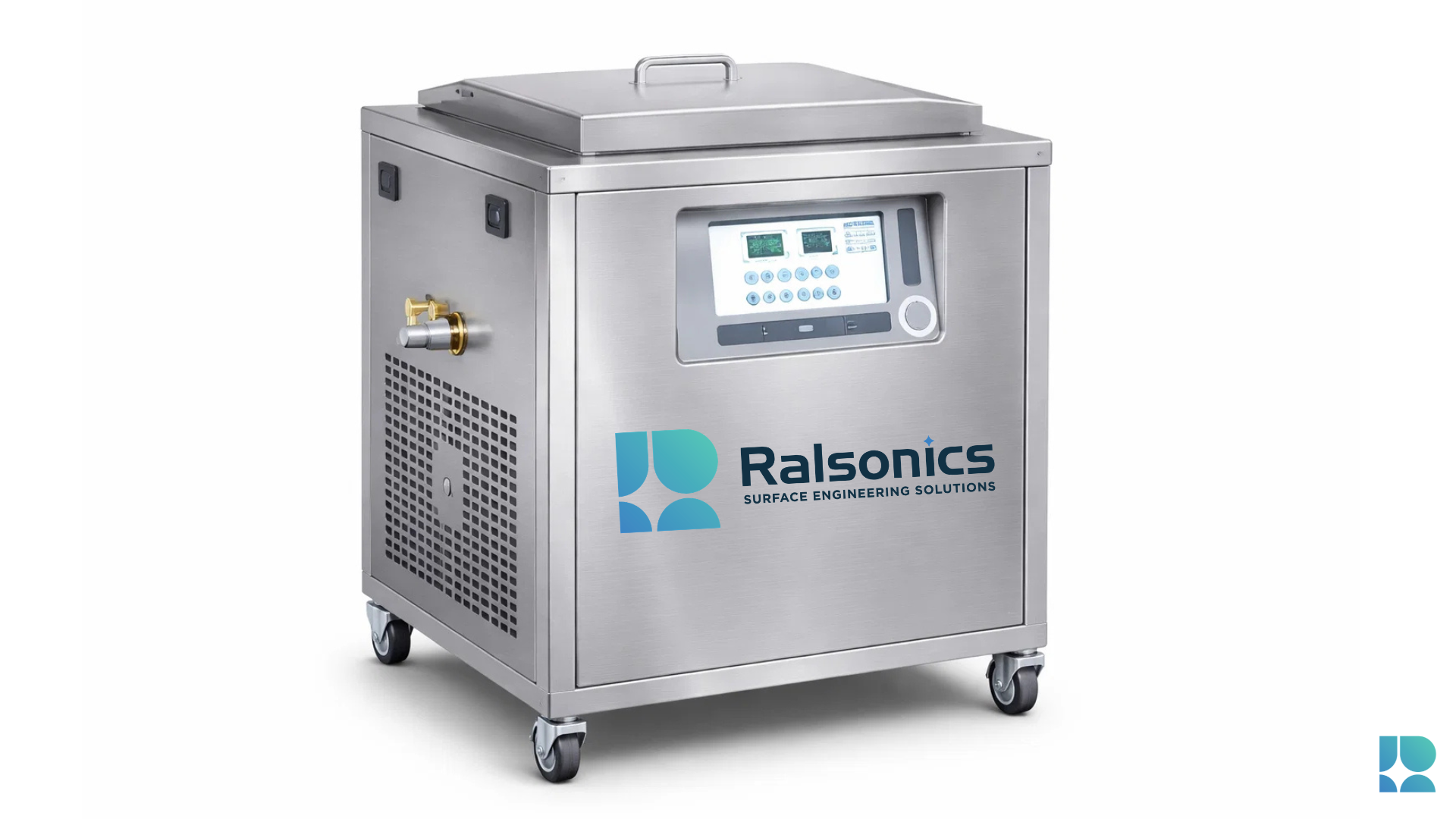
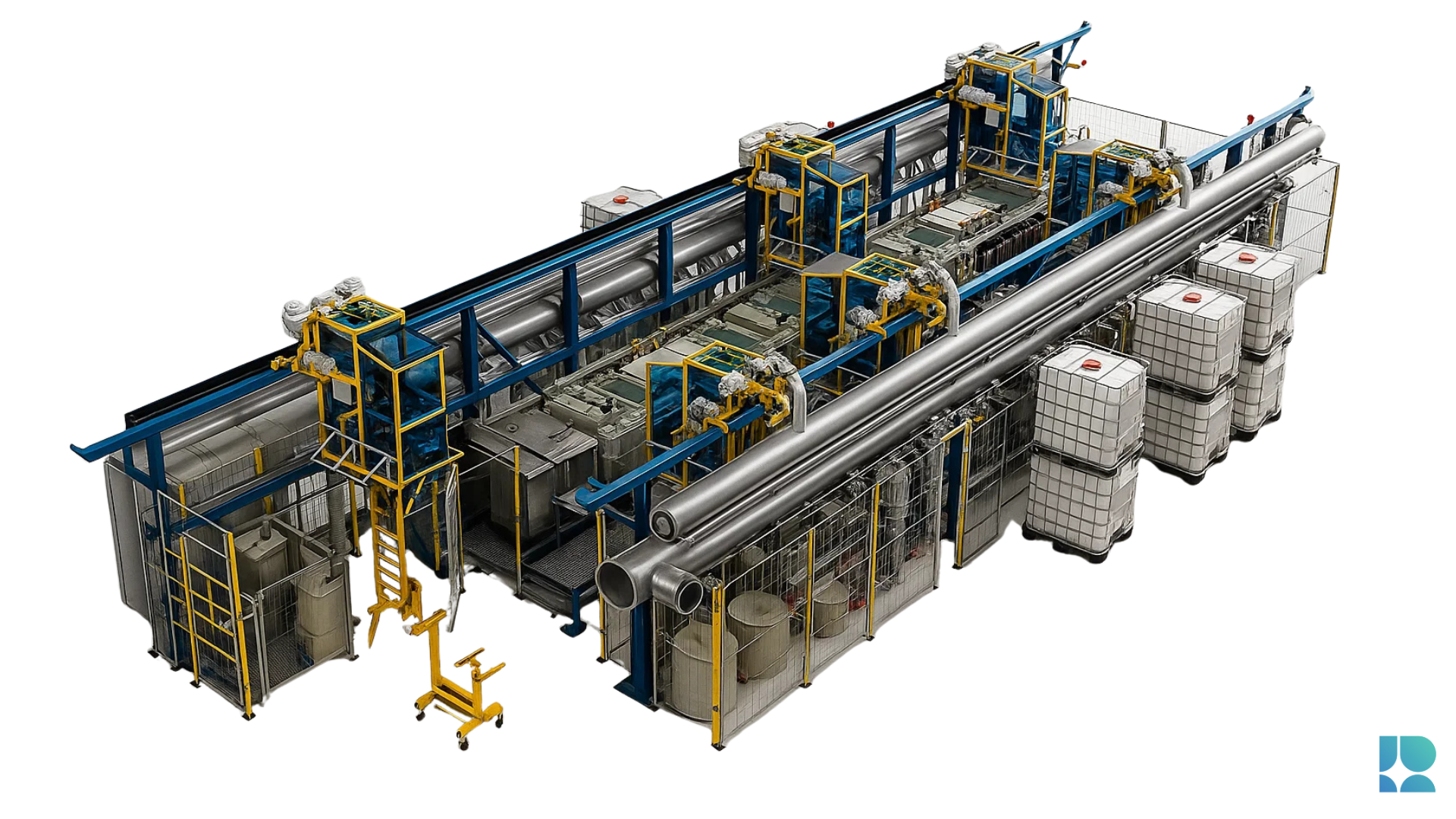
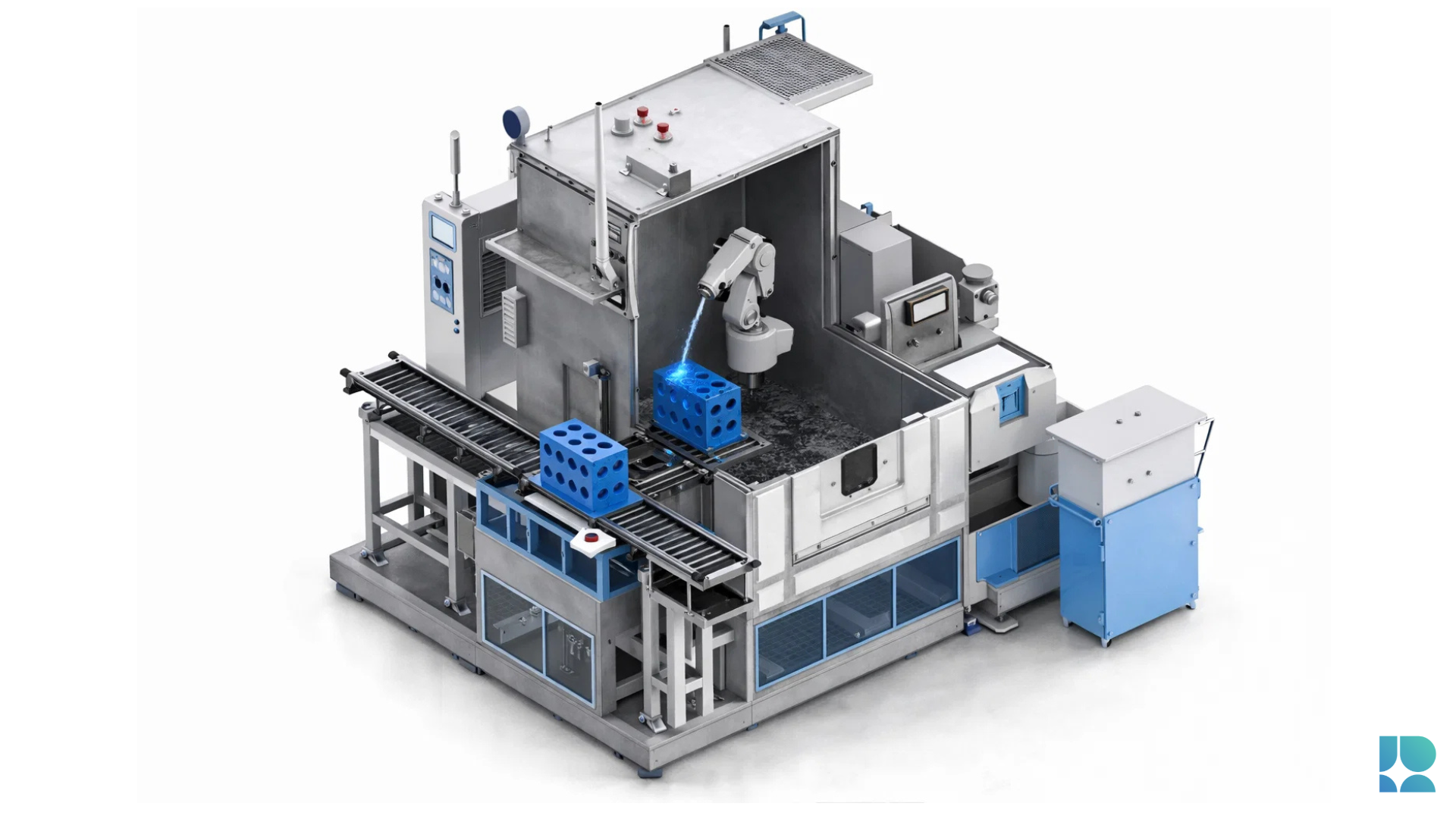
Ralsonics’ ultrasonic cleaners are well known in the industry to provide ultra-fast and thorough cleaning for aerospace components ranging from fuel nozzles to engines. Ralsonics has a large range of products (multistage cleanersemission free vapor degreasersultrasonic cleaners), catering to every possible component that needs to be cleaned in the aerospace industry.

Why Ultrasonic Cleaning is Critical in Aerospace

Aerospace components face extreme conditions, high temperatures, pressures, vibration, and contamination. Residues such as burnt carbon, hydraulic oils, greases, metal chips, oxidation layers, and dust can compromise component performance and safety.

Ultrasonic cleaning provides:

  • Deep cleaning for complex geometries, cooling channels, and blind holes
  • Non-destructive removal of stubborn contaminants
  • Improved component reliability and performance
  • Reduced manual labor and human error
  • Consistent, validated cleaning cycles for aerospace quality standards

Benefits of Ultrasonic Cleaning in Aerospace Industry

Aerospace Cleaning — Superior Ultrasonic Cleaning
🔎

Reaches deep internal surfaces

Accesses micro-passages and complex internal geometries that manual methods miss.

🔥

Removes carbon & oxidation

Designed for stubborn deposits on engine components and high-temperature parts.

🛡️

Improves safety & reliability

Clean parts perform better and last longer — critical for aviation maintenance.

Safer than abrasive cleaning

Prevents surface wear, scratches and dimensional changes compared to manual methods.

⏱️

Reduces maintenance time

Shorter turnaround for MRO facilities and overhaul workshops.

Supports aerospace standards

Helps meet FAA, EASA, NADCAP and AS9100 cleaning requirements.

Advanced Ultrasonic Cleaning in Aerospace

Here is a short list of parts that are typically cleaned using Ralsonics’ ultrasonic cleaners

Airfoils

Landing gear like wheels

Turbine blades and vanes

Brakes

Pneumatics

Injectors and fuel nozzles

Fragile items like glass

FAQ

What is ultrasonic cleaning and why is it used in aerospace?
Ultrasonic cleaning uses high-frequency sound waves in a liquid medium to remove contaminants from surfaces and internal passages. Aerospace components require extremely high cleanliness standards, and ultrasonics provides precision, repeatability, and the ability to clean complex geometries where manual or spray methods cannot reach.
Is ultrasonic cleaning safe for critical aerospace components?
Yes, ultrasonic cleaning is non-destructive and gentle on surfaces. When properly configured (frequency, power, chemistry, and temperature), it does not damage coatings, finishes, or micro-tolerances, making it ideal for precision aerospace parts.
Can ultrasonic cleaning be used for titanium, Inconel, and aluminum?
Yes. Ultrasonic cleaning works safely on advanced aerospace alloys such as titanium, Inconel, aluminum, and stainless steel. Proper cleaning chemistry ensures corrosion-free and surface-safe operation.
Are ultrasonic systems suitable for MRO (Maintenance, Repair & Overhaul)?
Absolutely. MRO facilities widely use ultrasonics to restore performance of used components by removing carbon buildup, grease, and corrosion, especially in engines, landing gear assemblies, and hydraulic systems.
 
Cart
Select the fields to be shown. Others will be hidden. Drag and drop to rearrange the order.
  • Image
  • SKU
  • Rating
  • Price
  • Stock
  • Availability
  • Add to cart
  • Description
  • Content
  • Weight
  • Dimensions
  • Additional information
Click outside to hide the comparison bar
Compare