

























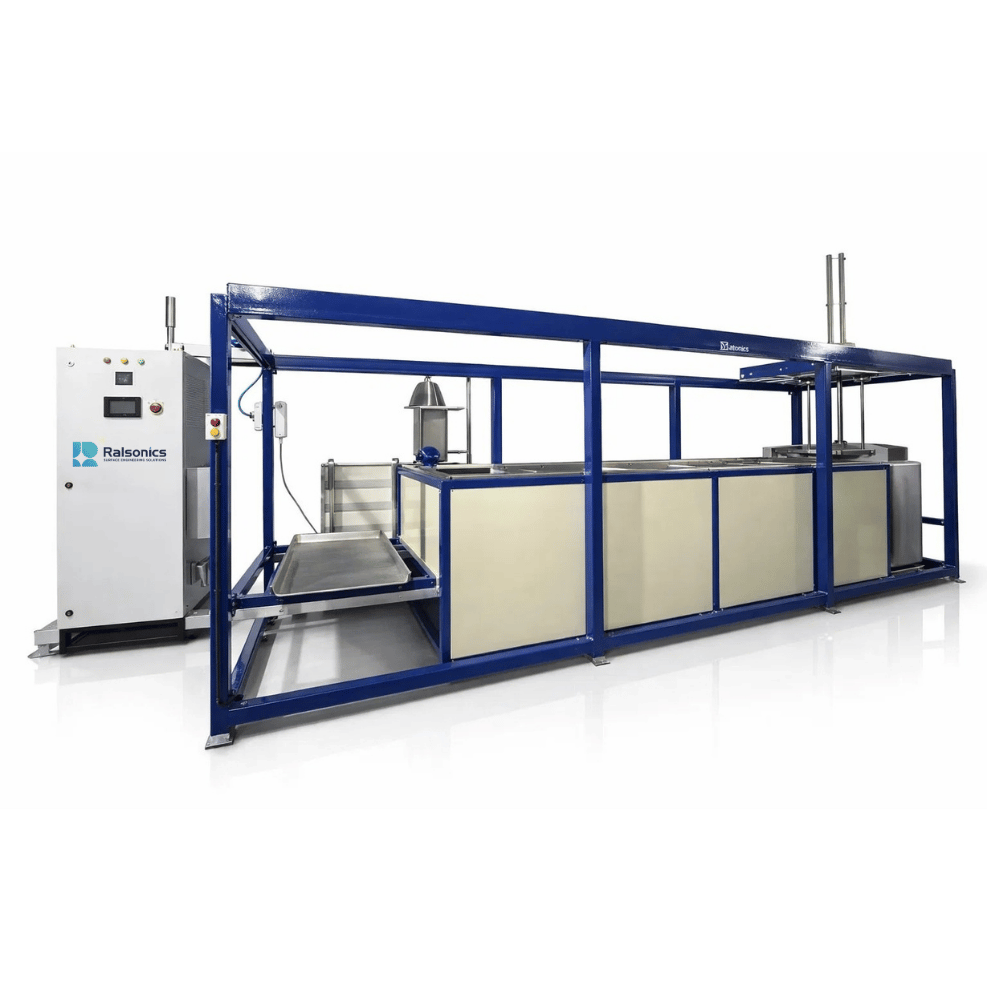
Ultrasonic Horn Processors

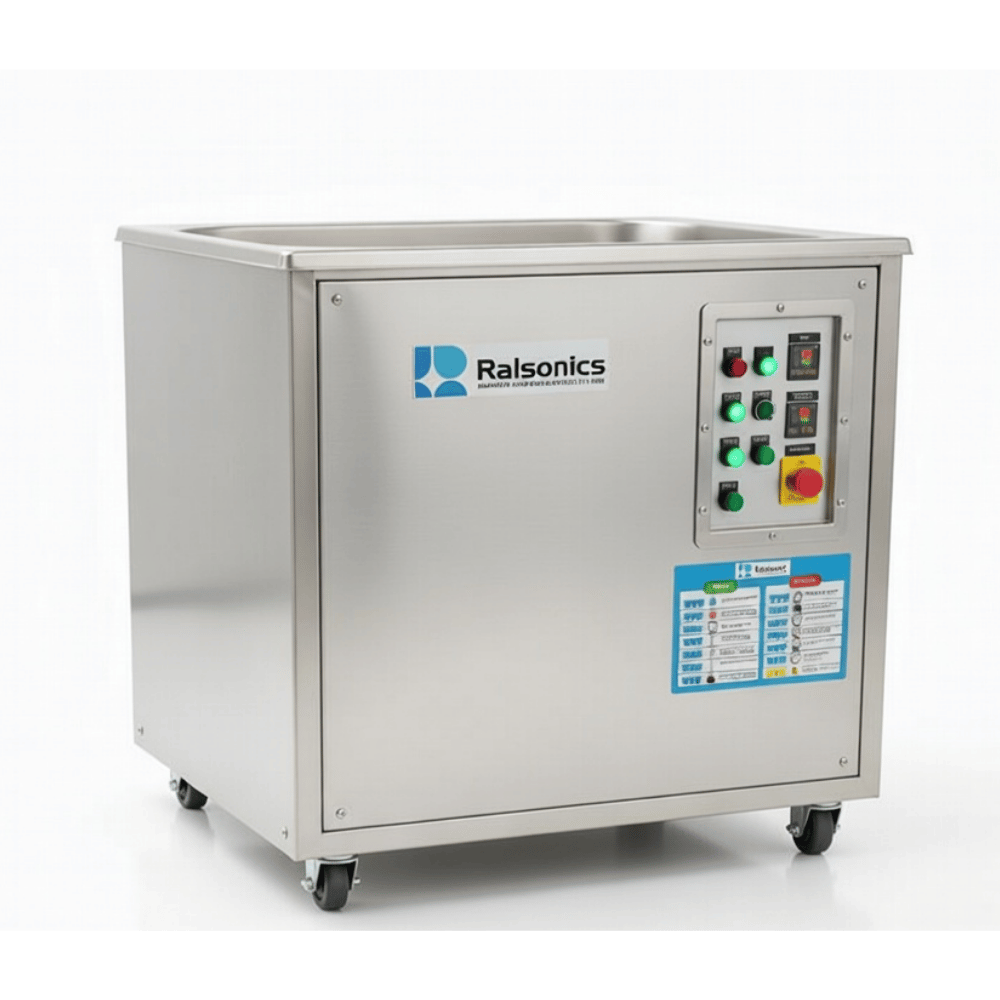
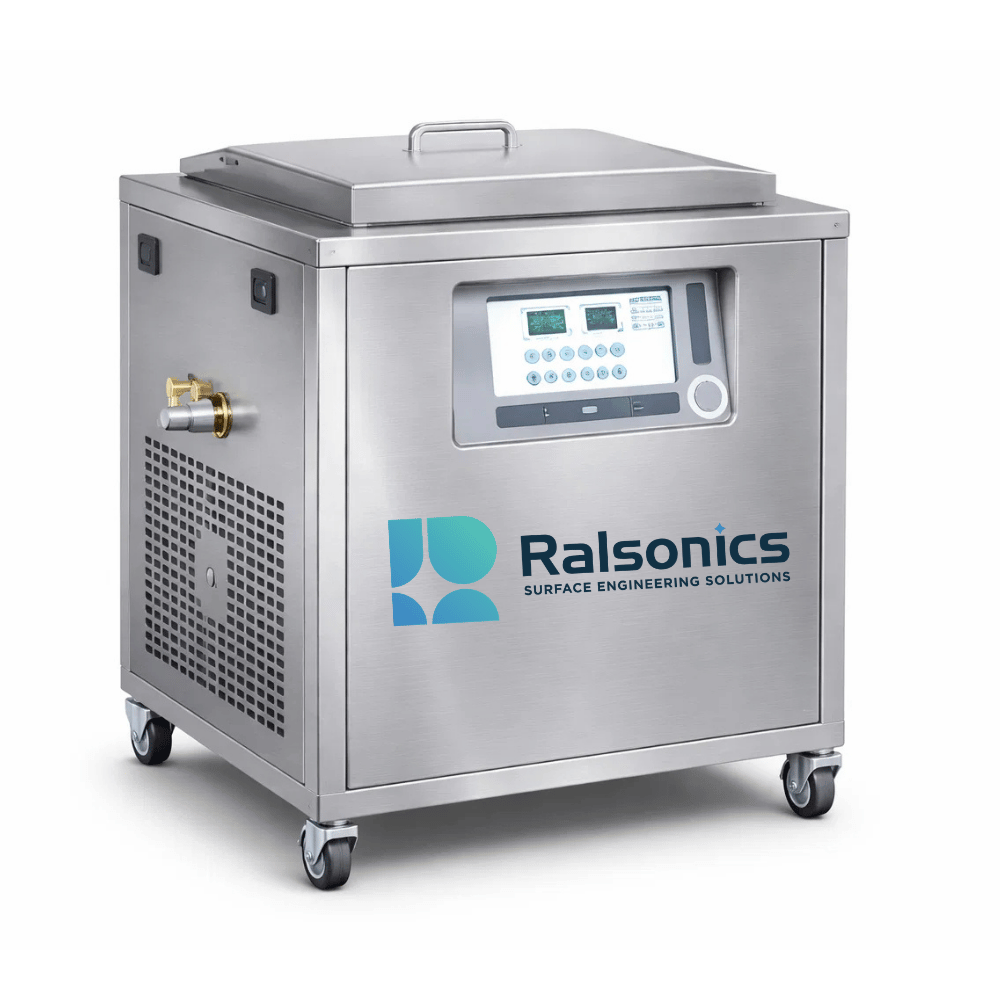
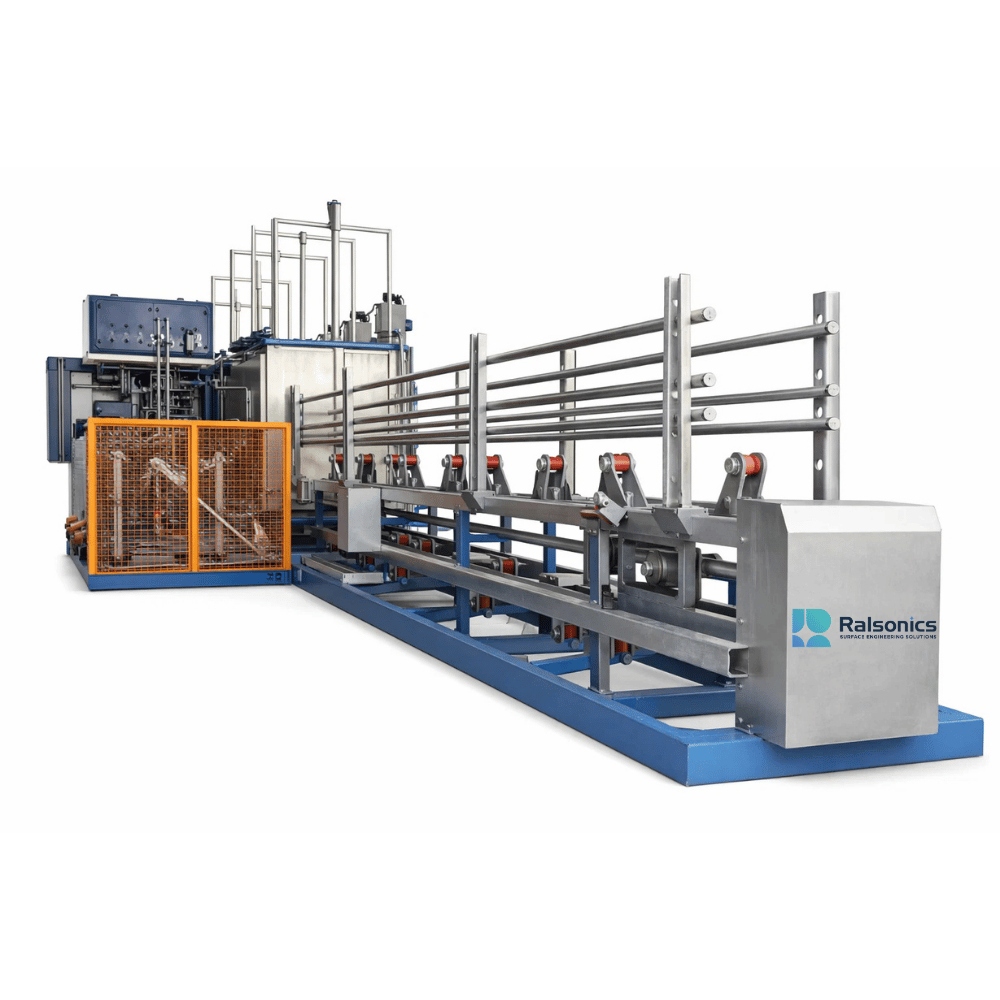
Ralsonics’ industrial ultrasonic processors are powerful tools for large scale 24X7 processing. Multiple processors can be connected in series or parallel to scale up to any volume required. Our efficient processors ensure that processing time is minimized ensuring much lower processing costs. All our industrial processors are customized to your exact requirements ensuring zero compromise on your process.

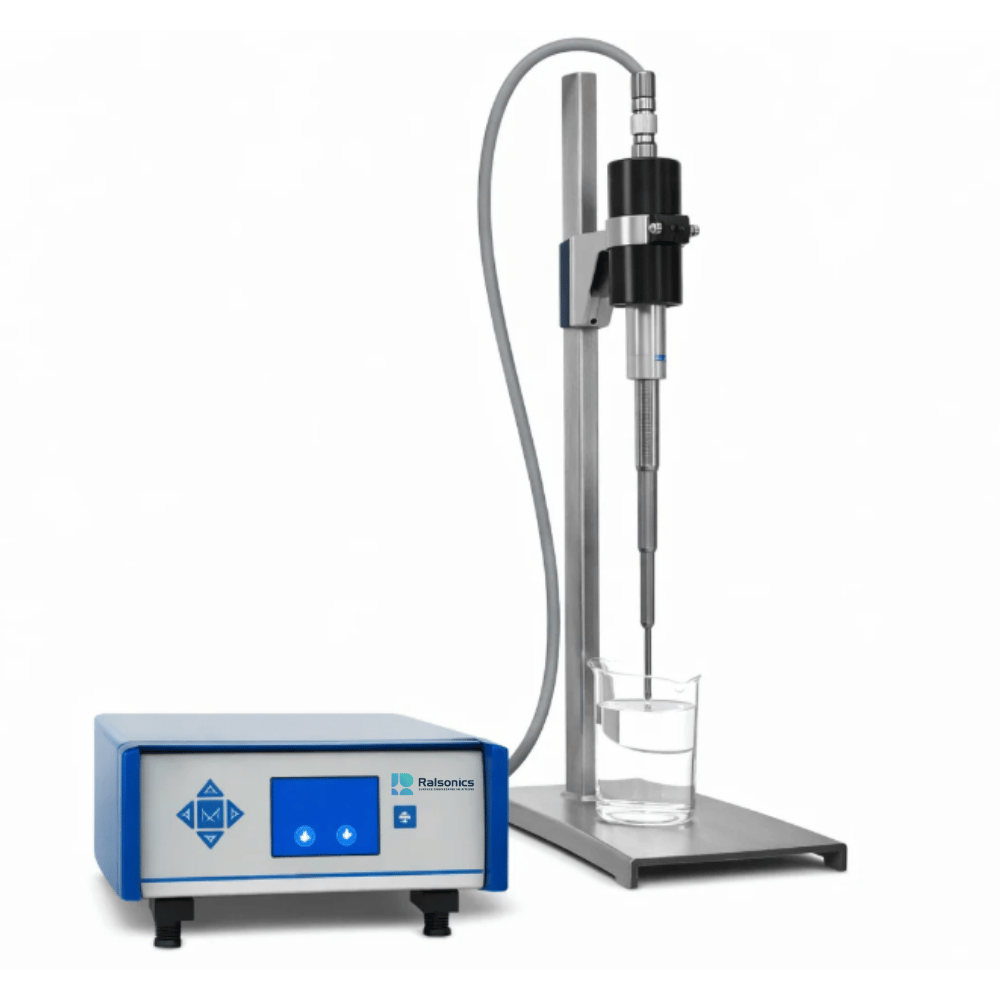
Ultrasonic Horn Processors are high-power ultrasonic devices designed to deliver intense acoustic energy into liquids and semi-solid materials for applications such as homogenization, dispersion, emulsification, cell disruption, degassing, and sonochemistry. Unlike conventional ultrasonic cleaners, horn processors use a probe (horn/sonotrode) to directly transmit ultrasonic energy into the sample, achieving maximum efficiency and intensity.

Ralsonics’ Ultrasonic Horn Processors are engineered with state-of-the-art digital generators, robust transducers, and precision-machined horns, ensuring unmatched performance for both laboratory research and industrial-scale processing.

Contact our experts for more details.

How It Works
  • A piezoelectric transducer converts electrical energy into mechanical vibrations.
  • These vibrations are amplified through a horn (sonotrode).
  • The horn is immersed in the liquid or sample, delivering high-frequency ultrasonic waves.
  • The resulting cavitation effect generates microscopic shockwaves that disrupt particles, break cells, and mix substances at the molecular level.
Key Features
  • Direct Energy Transmission – Ultrasonic horn delivers power directly to the sample.
  • Digital Control System – Adjustable amplitude, time, and pulse modes for precise process control.
  • Wide Power Range – From 100 W (lab scale) to 5000+ W (industrial scale).
  • Frequency Options – Typically 20 kHz (high intensity) to 40 kHz (delicate processing).
  • Temperature Monitoring – In-built safety to prevent overheating of samples.
  • Custom Horns (Sonotrodes) – Available in different sizes and materials for specific applications.
  • Automation Ready – Can be integrated with automated production systems or reactors.
Advantages
  • High Energy Efficiency – Direct delivery of power into the sample.
  • Versatility – Suitable for liquids, suspensions, and semi-solid samples.
  • Precise Control – Adjustable amplitude and programmable modes.
  • Scalable– From benchtop lab models to large-scale industrial units.
  • Effective Cell Disruption – Extracts proteins, DNA, and other biomolecules without chemicals.
  • Enhanced Reaction Rates – Accelerates chemical processes in sonochemistry and nanoparticle synthesis.
  • Compact Design – Space-efficient and easy to integrate into workflows.
Industry Applications
  • Life Sciences & Biotechnology – Cell lysis, protein extraction, DNA/RNA shearing.
  • Nanotechnology – Nanoparticle dispersion, synthesis, and size reduction.
  • Pharmaceuticals – Preparation of emulsions, suspensions, and drug delivery systems.
  • Food & Beverages – Homogenization, emulsification, and extraction of active compounds.
  • Chemistry & Materials Science – Sonochemistry, degassing, and catalytic reactions.
  • Environmental Science – Treatment of sludge, soil samples, and pollutant breakdown.
  • Industrial Processing – Large-scale emulsification, dispersion, and mixing.

Technical Specifications

Parameter

Specification

Operating Frequency

20 – 40 kHz

Power Output

100 W – 5000+ W

Amplitude Control

10% – 100% adjustable

Horn (Sonotrode) Sizes

3 mm – 40+ mm diameter

Material

Titanium / Stainless Steel

Control System

Digital / PLC / Touchscreen

Cooling Options

Air-cooled or water-cooled

Safety Features

Overload protection, auto shut-off

Modes

Continuous / Pulse

FAQ

How is an ultrasonic horn processor different from an ultrasonic bath?

Unlike ultrasonic baths that deliver indirect energy through water, horn processors transmit ultrasonic energy directly into the sample, resulting in higher intensity and efficiency.


Can ultrasonic horn processors be used for delicate biological samples?

Yes, by adjusting amplitude and using pulsed sonication, cell disruption can be performed without damaging sensitive biomolecules.

 
What materials are horns (sonotrodes) made of?

Horns are typically made from titanium or stainless steel, depending on the application.

 
Are these systems scalable for industrial production?

Yes. Ralsonics offers lab-scale benchtop units as well as high-power industrial processors.


    Cart
    Select the fields to be shown. Others will be hidden. Drag and drop to rearrange the order.
    • Image
    • SKU
    • Rating
    • Price
    • Stock
    • Availability
    • Add to cart
    • Description
    • Content
    • Weight
    • Dimensions
    • Additional information
    Click outside to hide the comparison bar
    Compare