


























Inline Ultrasonic Cleaning
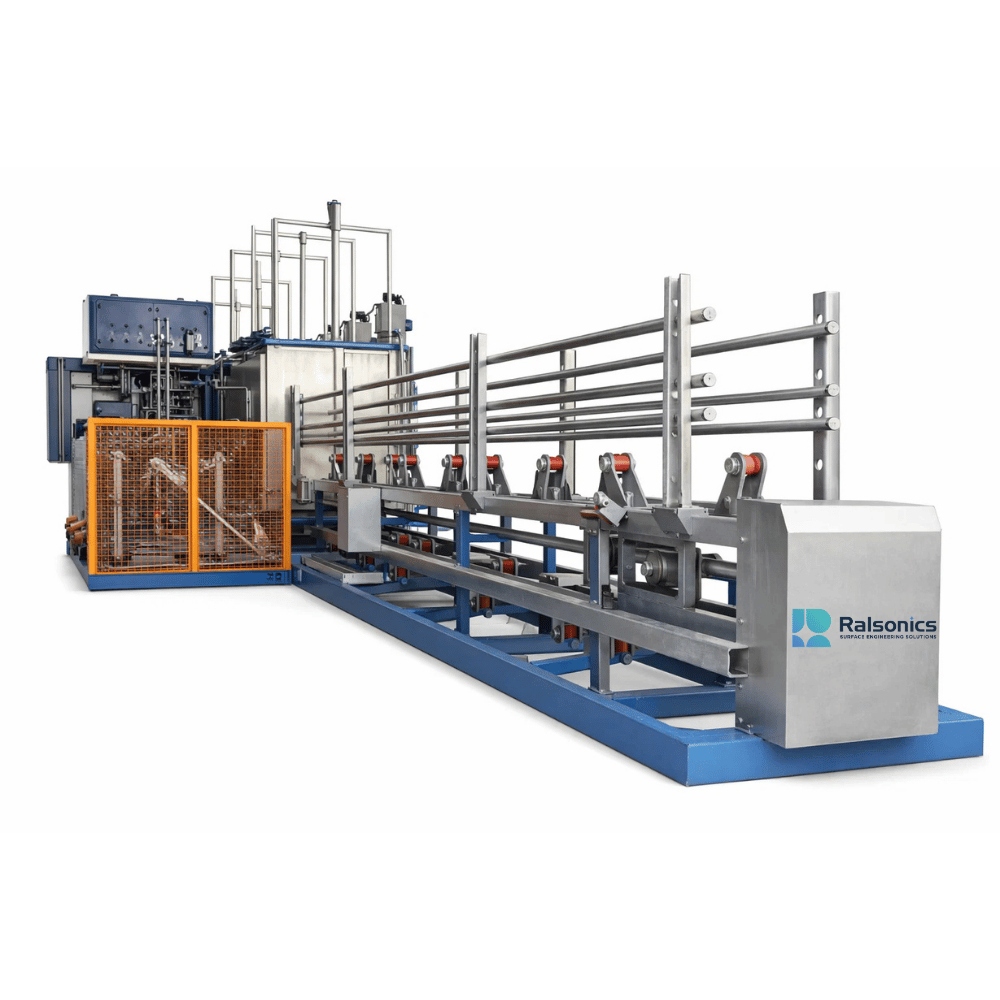
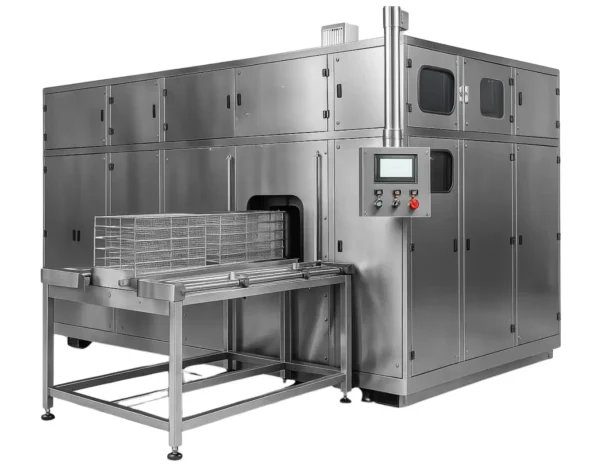
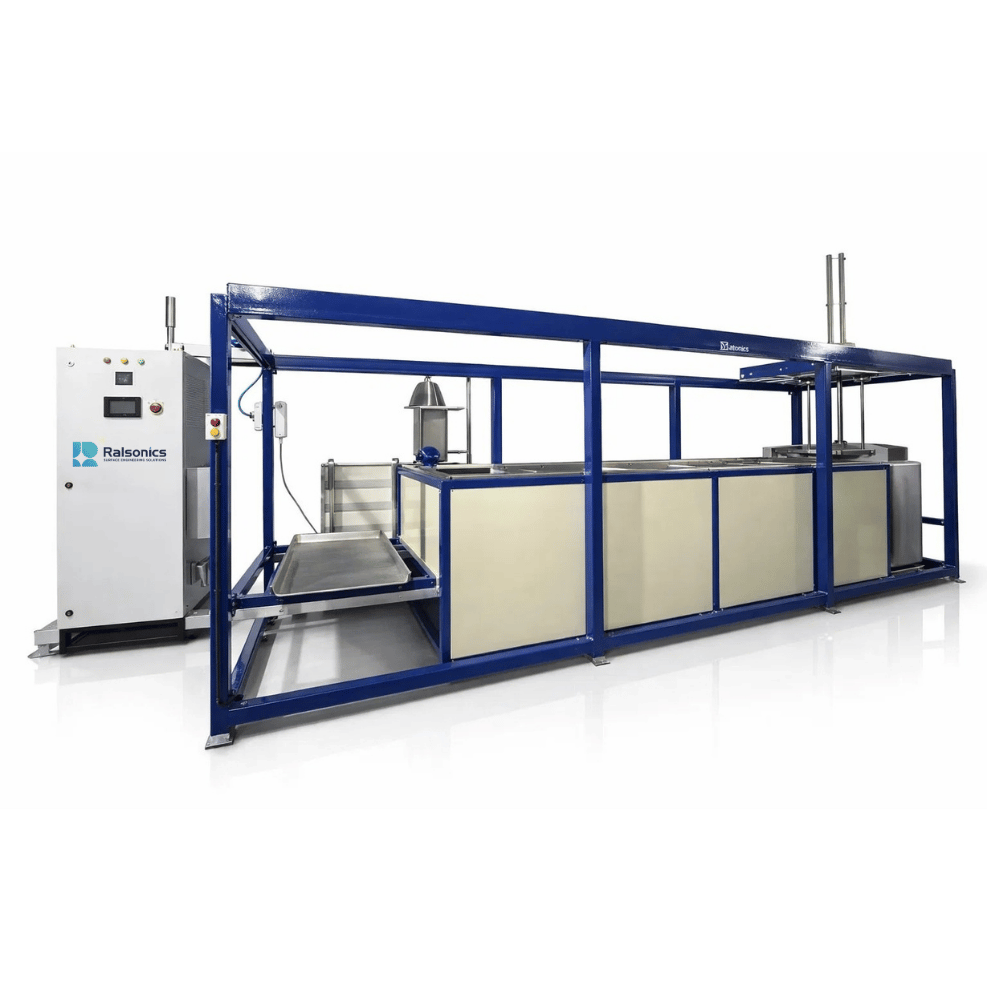
Ralsonics Inline Ultrasonic Cleaning Systems are designed for continuous, high-volume industrial cleaning applications. Unlike batch or manual systems, inline ultrasonic cleaners integrate ultrasonic cleaning, rinsing, and drying directly into the production line. This ensures faster throughput, consistent results, and minimal manual handling, making them ideal for industries with demanding cleanliness standards.
By combining advanced ultrasonic cavitation technology with automated material handling, these systems deliver precise and repeatable cleaning performance while reducing labor costs and improving production efficiency.
- Components are automatically placed onto a conveyor or material handling system.
- As they pass through each stage, they undergo:
- Ultrasonic Cleaning – Cavitation removes oil, grease, and fine contaminants.
- Rinsing – Removes detergent and residues using DI/DM water.
- Drying – Hot air, IR, or vacuum drying ensures moisture-free components.
- The inline process eliminates manual transfer, ensuring seamless integration with upstream and downstream operations.
- Inline Automated System – Designed for continuous operation and high throughput.
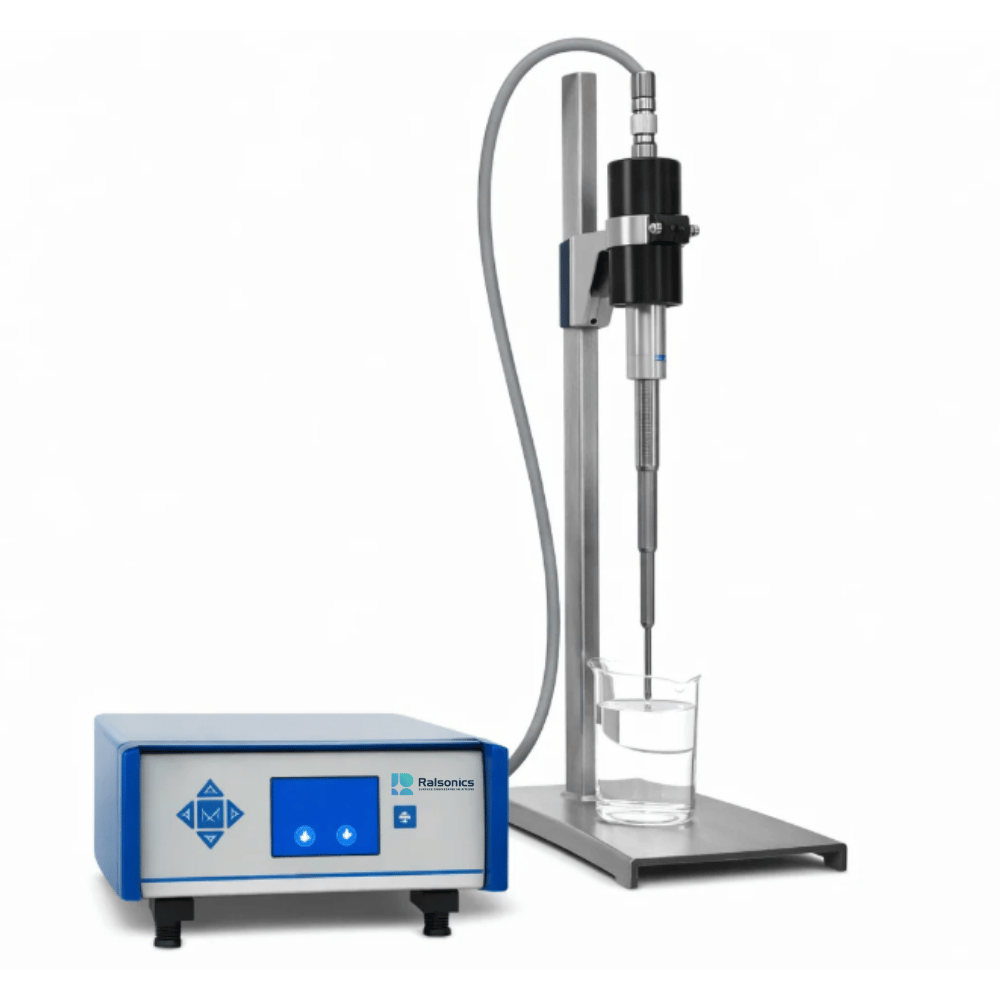
- Advanced Ultrasonic Technology – Frequencies from 20–80 kHz for different cleaning requirements.
- Customizable Configurations – Multiple tanks for ultrasonic wash, rinsing, drying, and optional passivation.
- Conveyorized Material Handling – Belt, chain, roller, or mesh conveyors available.
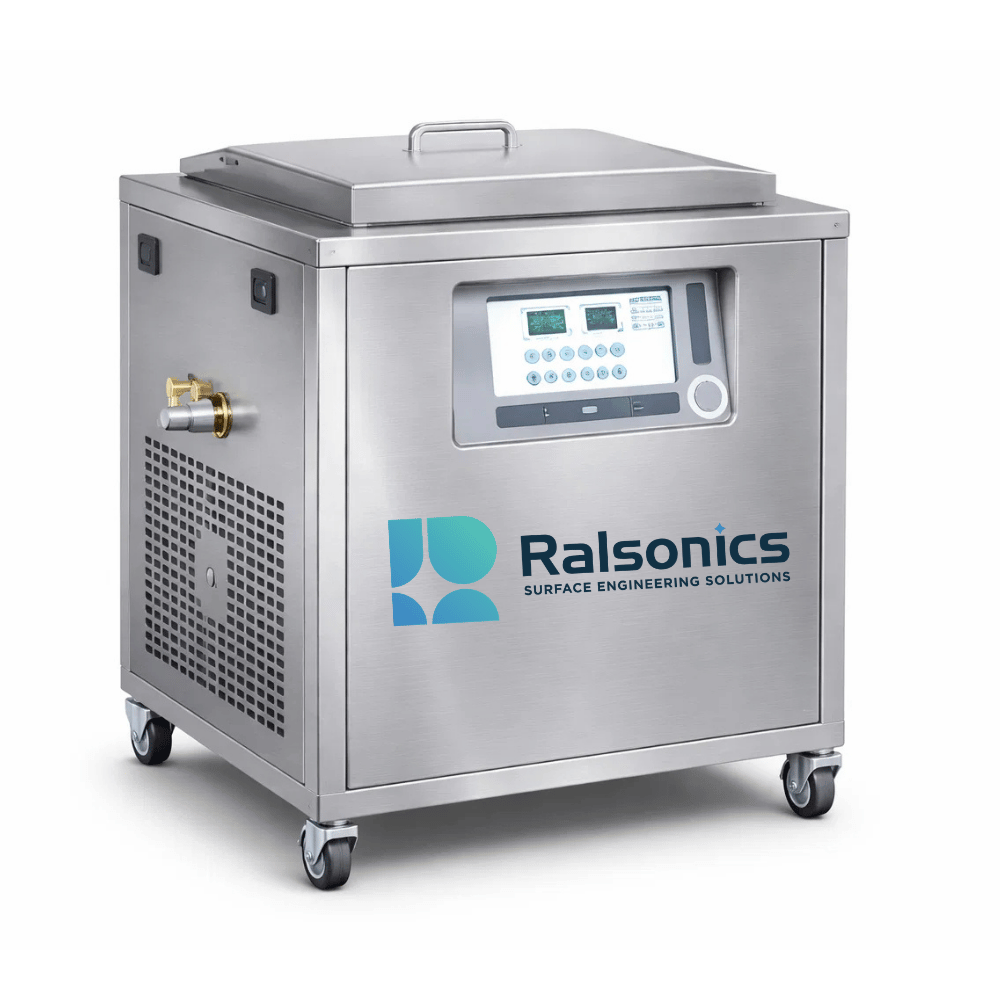
- Stainless Steel Construction – SS 304/316L tanks for durability and corrosion resistance.
- Efficient Filtration & Recycling – Oil skimmers, cartridge filters, and water recirculation reduce consumption.
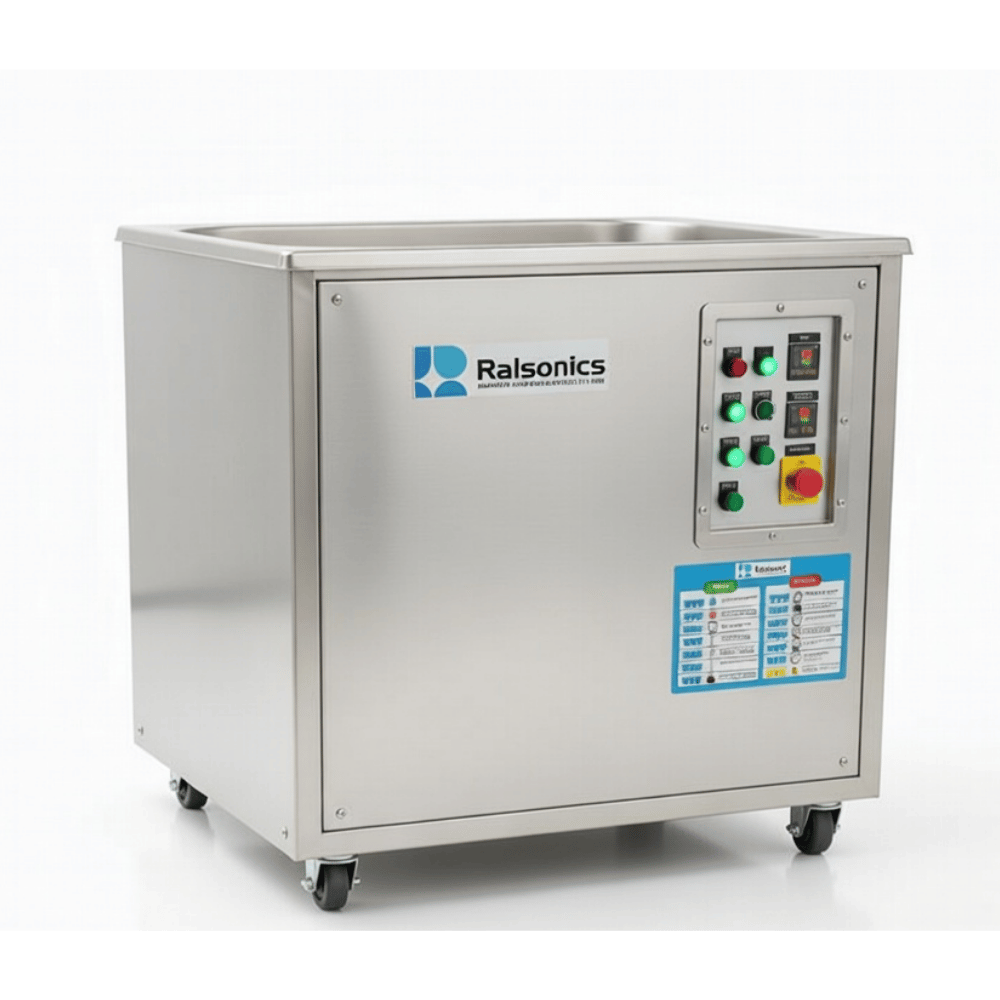
- PLC-Based Controls – Easy-to-use HMI for monitoring and adjusting parameters.
- Safety Features – Emergency stops, overload protection, and enclosed design.
- High Productivity – Continuous cleaning increases output and reduces downtime.
- Consistent Quality – Automated handling ensures uniform cleaning across all parts.
- Reduced Labor Costs – Minimal manual intervention required.
- Scalable & Customizable – Designed to match production line requirements.
- Eco-Friendly – Advanced filtration and recycling reduce water and chemical use.
- Compatible with Precision Parts – Gentle yet effective cleaning for complex geometries.
- Reliable Industrial Performance – Built for demanding 24/7 operations.
- Automotive: Engine components, fuel injectors, gears, bearings
- Aerospace: Hydraulic parts, turbine blades, precision components
- Electronics: Printed circuit boards (PCBs), connectors, semiconductor parts
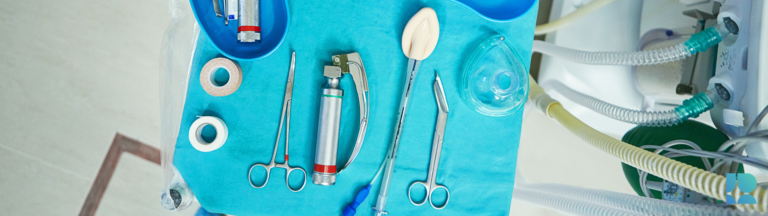
- Medical & Healthcare: Surgical instruments, implants, endoscopic parts
- Metal Finishing: Pre-cleaning before plating, coating, or painting
- General Manufacturing: Dies, molds, precision-machined parts
Technical Specifications
Parameter | Specification |
|---|---|
System Type | Conveyorized inline ultrasonic cleaner |
Stages Available | Ultrasonic wash, multiple rinses, drying, passivation |
Digital / PLC-Based Control System | Enables precise control of time, temperature, and ultrasonic power with programmable cleaning cycles. |
Ultrasonic Frequency | 20 kHz – 80 kHz |
Tank Capacity | 50 liters – 2000 liters |
Conveyor Speed | 0.5 – 5 m/min (adjustable) |
Material of Construction | SS 304 / SS 316L |
Heating Range | Room temperature – 90°C |
Filtration System | Cartridge/bag filters with oil skimmer |
Drying Options | Hot air, IR, or vacuum drying |
Control System | PLC with HMI touchscreen |
Power Supply | 415V, 50/60 Hz, 3 phase |
Optional Features | Cleanroom compatibility, robotic loading/unloading |
FAQ
It is a continuous cleaning system where parts move automatically through ultrasonic cleaning, rinsing, and drying stages, eliminating manual transfers.
Unlike manual systems, inline systems are fully automated, ensuring higher throughput, consistency, and reduced labor costs.
Yes. With higher frequencies (40–80 kHz), it safely cleans delicate items such as PCBs, optical lenses, and medical instruments.
Inline ultrasonic cleaners use water recycling, efficient heating, and controlled ultrasonic power, reducing overall energy and chemical consumption.