

























FAQ

All your Questions related to Industrial Cleaning & Surface Treatment

What is ultrasonic cleaning equipment?

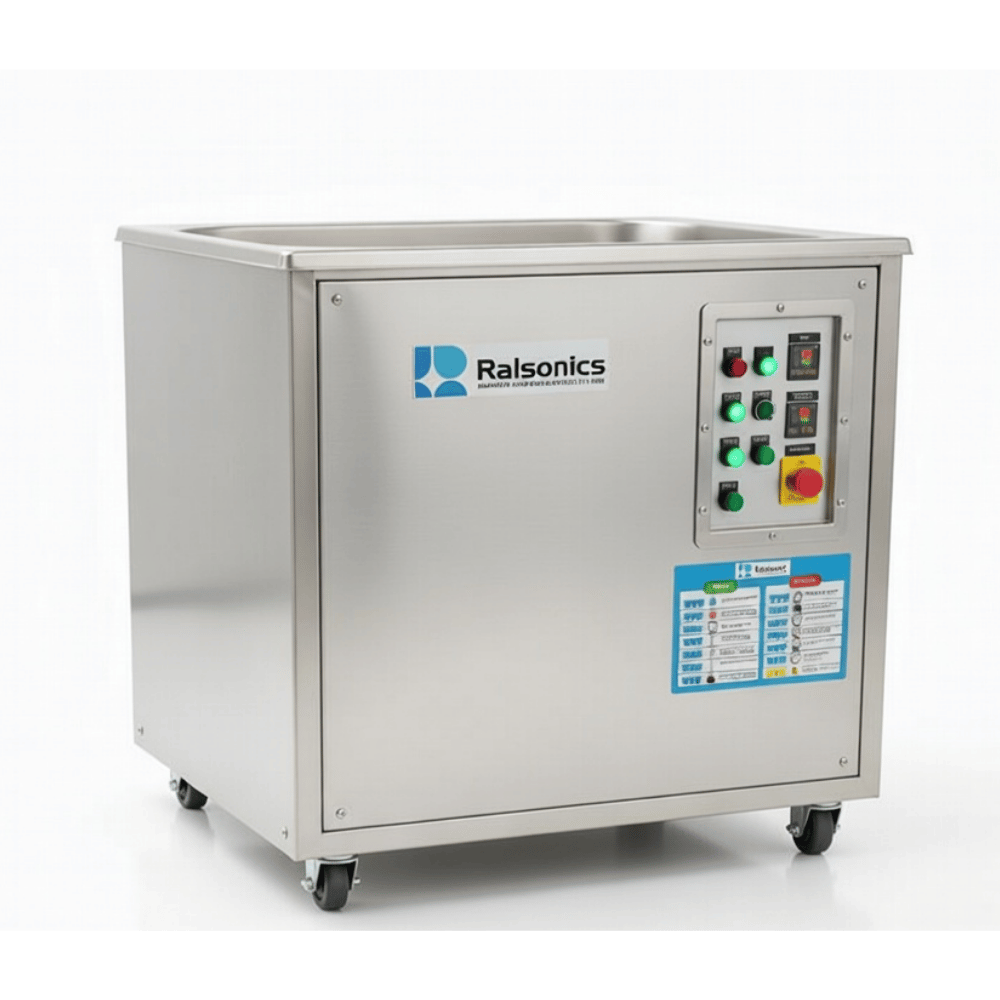
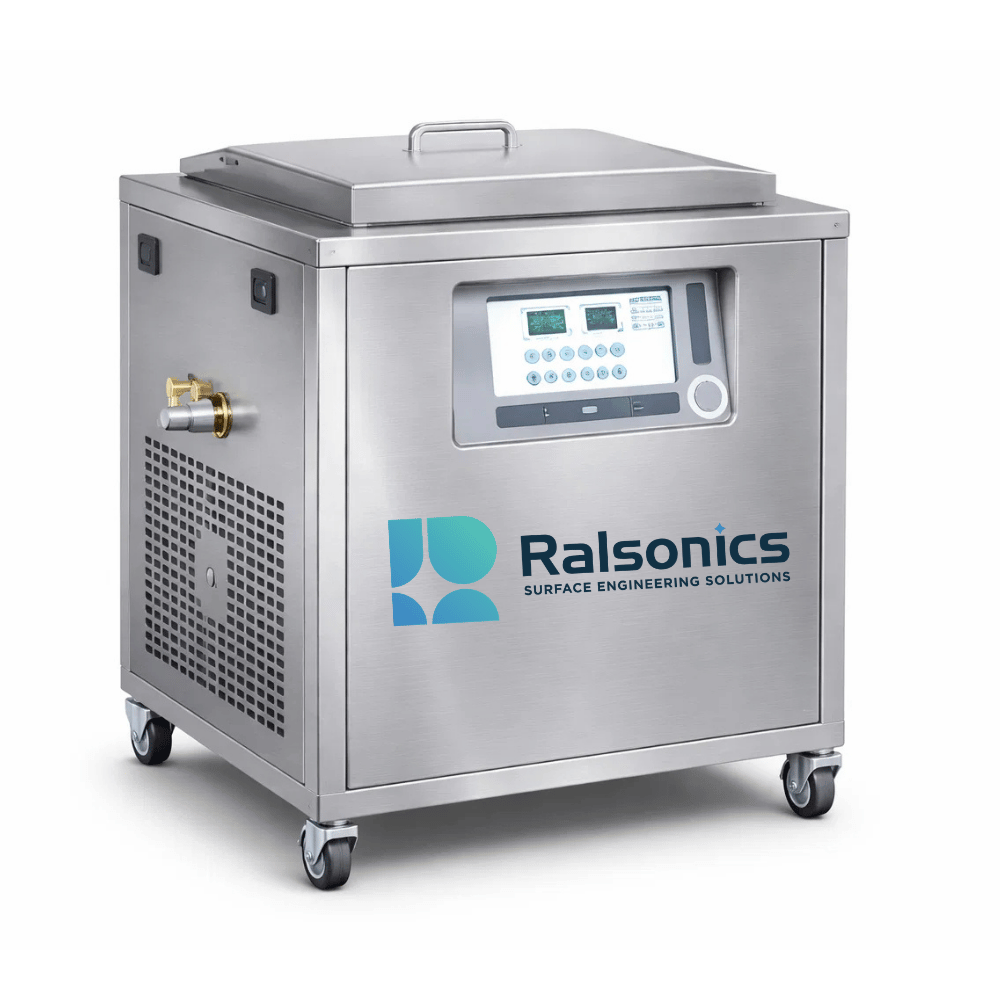
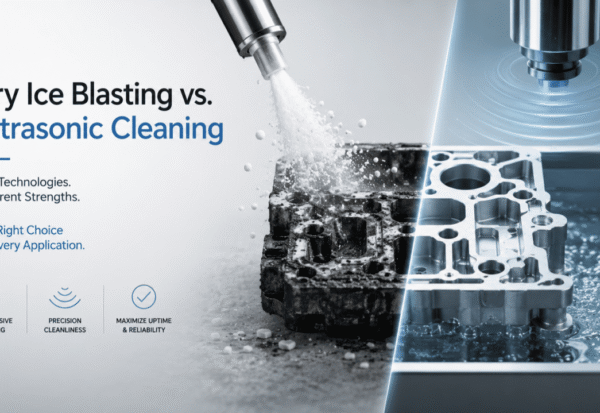
Ultrasonic cleaning equipment uses high-frequency sound waves (typically 20–80 kHz) to create microscopic cavitation bubbles in a liquid. When these bubbles collapse, they generate intense cleaning energy that removes contaminants like oil, dirt, grease, and rust from surfaces,  even in hard-to-reach areas.

What are industrial cleaning systems used for?

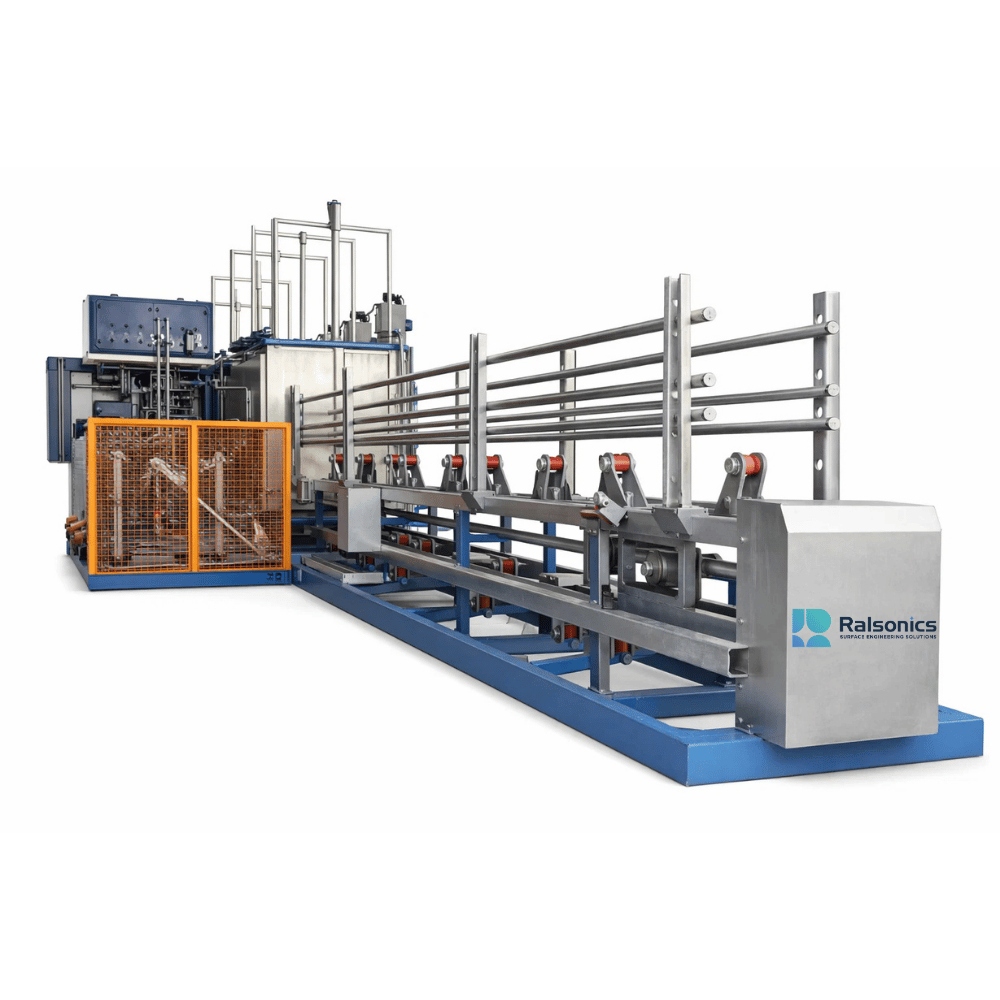
Industrial cleaning systems are designed to remove contaminants like oil, grease, dirt, metal chips, and carbon deposits from parts and components used in manufacturing, automotive, aerospace, and medical industries.

What are the main types of cleaning systems?

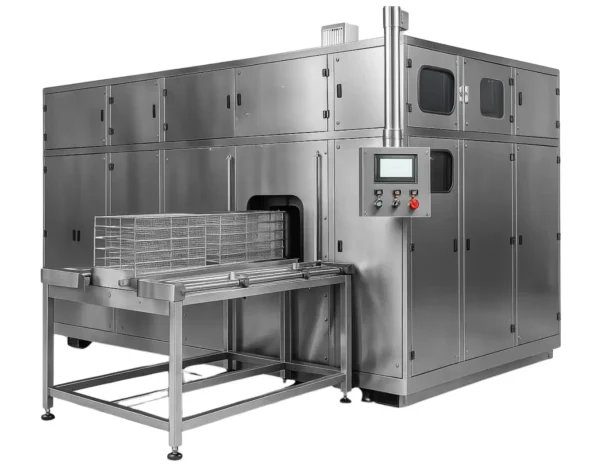
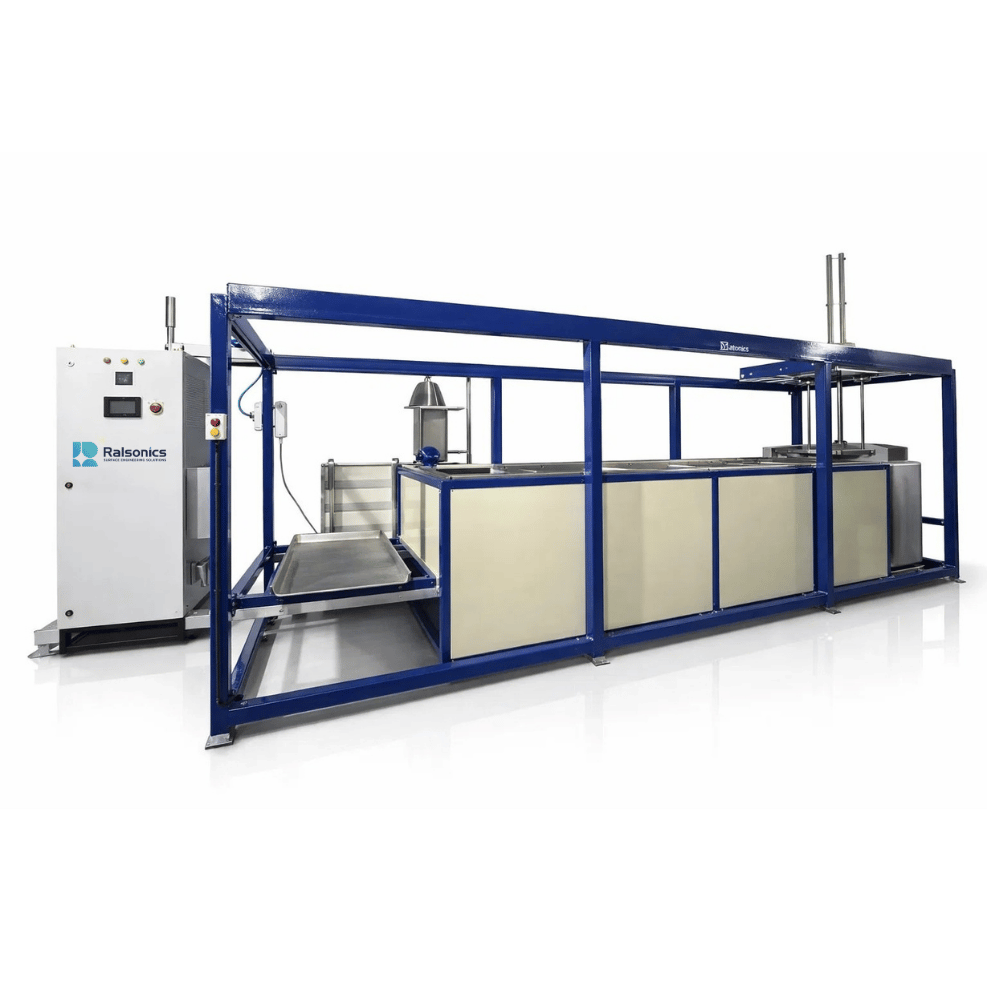
Ralsonics offers a wide range including ultrasonic cleaners, high-pressure washers, rotary indexing systems, drum-type washers, cabinet washers, vapor degreasers, and single-chamber multiprocess systems (aqueous or solvent-based).

How does ultrasonic cleaning work?

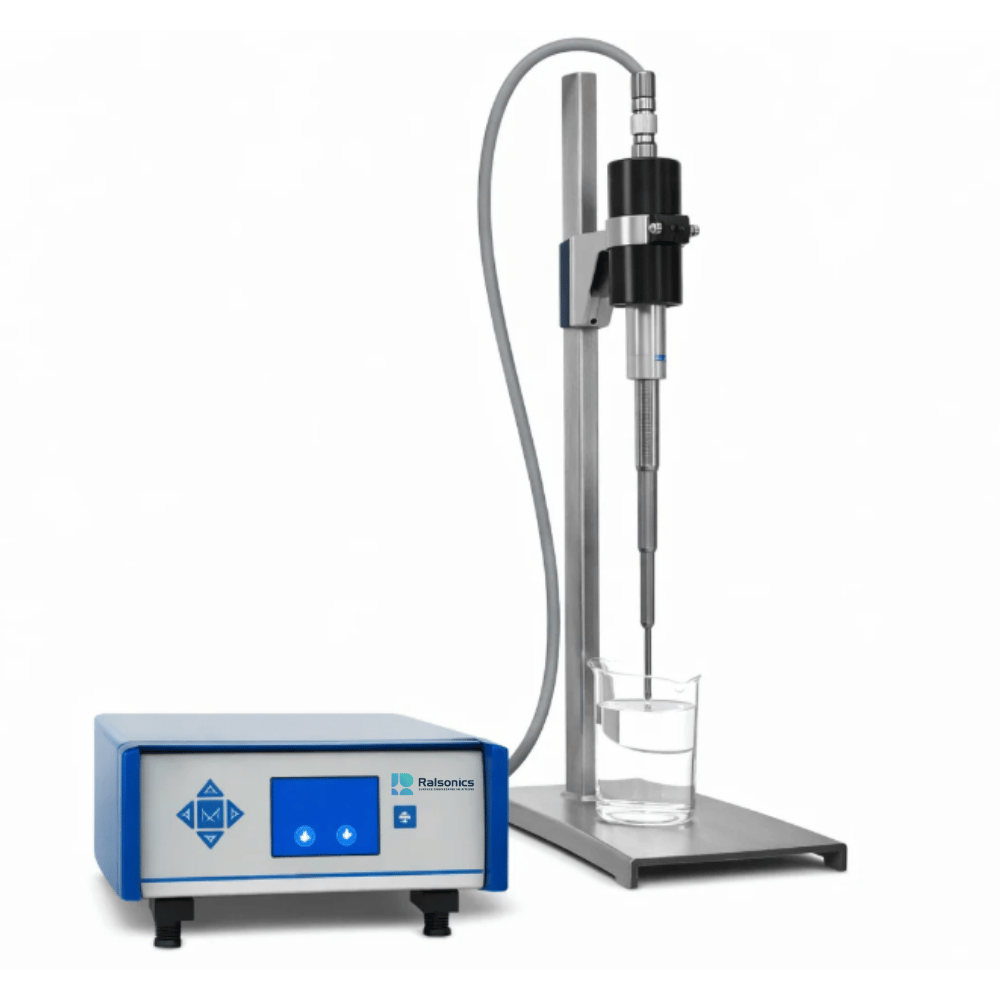
The ultrasonic generator produces high-frequency electrical signals that drive transducers attached to a cleaning tank. These transducers convert the signals into sound waves that form millions of tiny bubbles in the cleaning solution. The bubbles implode, creating microscopic shock waves that dislodge contaminants from component surfaces without damaging them.

What is surface treatment?

Surface treatment involves modifying the surface of a material (metal, plastic, or ceramic) to improve its appearance, corrosion resistance, adhesion, hardness, or wear resistance. Common examples include anodizing, phosphating, electroplating, and coating.

How do surface treatment plants improve component performance and lifespan?

Surface treatment plants enhance corrosion resistance, wear protection, and paint adhesion by modifying the surface chemistry of parts. Whether through phosphating, anodizing, or passivation, these treatments ensure better durability and long-term reliability.

What factors determine the right industrial parts washer for my process?

Ultrasonic cleaning equipment is widely used across: The ideal washer depends on your part geometry, contamination type, cleanliness requirement, and production volume. Batch washers suit small quantities, while conveyorized or multi-stage washers serve high-throughput automated lines.

Can ultrasonic cleaning systems handle heavy industrial components?

Yes. Modern ultrasonic systems are designed for both delicate and heavy-duty parts. With high-powered transducers and reinforced tanks, they can clean engine blocks, molds, and aerospace components effectively without mechanical abrasion.

Are chemical cleaning solutions still necessary with ultrasonic or automated systems?

Yes, but in optimized form. Specialized ultrasonic-compatible cleaning chemicals enhance cavitation efficiency and remove oils, oxides, and carbon deposits more effectively than water alone, while remaining eco-friendly and biodegradable.

How can surface treatment plants be customized for different industries?

Each industry demands a specific finish, automotive needs corrosion resistance, aerospace requires weight-sensitive coatings, and electronics demand ultra-clean surfaces. Custom automation, bath configuration, and chemical sequencing ensure each plant meets exact process standards.

How often should ultrasonic tanks and chemical baths be maintained or replaced?

Frequency depends on usage intensity and contamination type. Regular filtration, bath analysis, and preventive maintenance schedules extend bath life and ensure consistent cleaning quality with minimal downtime.

How do I ensure compliance with environmental and safety standards in my cleaning line?

Choose systems that adhere to RoHS, REACH, and local pollution control norms. Automated dosing, fume extraction, and wastewater treatment modules help maintain compliance and safe working conditions.

Cart
Select the fields to be shown. Others will be hidden. Drag and drop to rearrange the order.
  • Image
  • SKU
  • Rating
  • Price
  • Stock
  • Availability
  • Add to cart
  • Description
  • Content
  • Weight
  • Dimensions
  • Additional information
Click outside to hide the comparison bar
Compare